Is My Lemon Tree Dead? 5 Signs It’s Still Alive
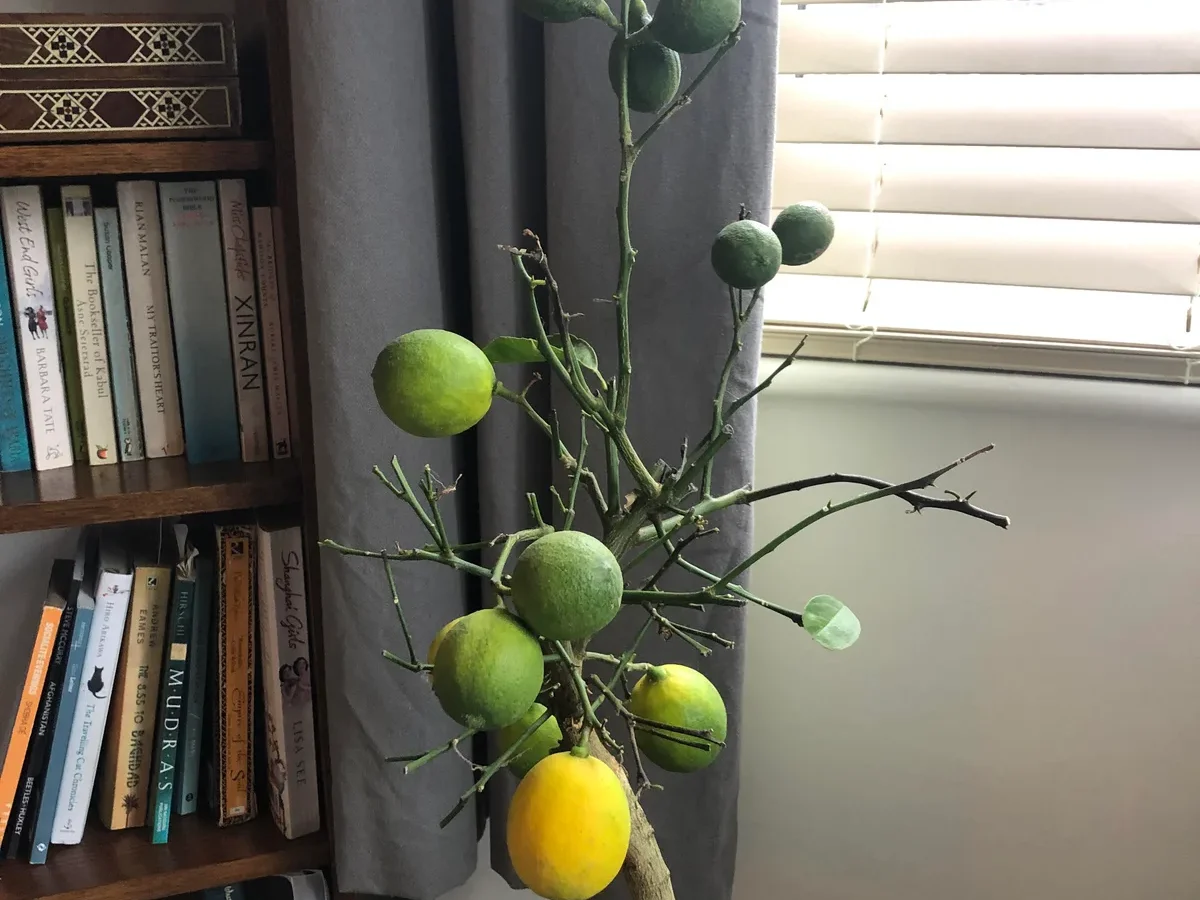
If you are staring at a bare, brown citrus plant wondering "is my lemon tree dead," take a breath. Most lemon trees that look completely lifeless are actually just stressed or dormant. Citrus trees routinely drop every single leaf after a hard freeze or sudden transplant shock.
That dramatic leaf drop rarely means the roots have given up.
Lemon trees (Citrus limon) thrive outdoors in USDA Hardiness Zones 9 through 11. Per University of Florida IFAS research, cold damage begins below 29°F, and severe wood death usually requires temperatures dropping below 24°F. We will walk through exactly how to test your tree step by step.
Quick Answer
Your lemon tree might not be dead. Brown leaves often mean stress. Scratch the bark to check.
Green tissue means it lives. Wait eight weeks before removing it.
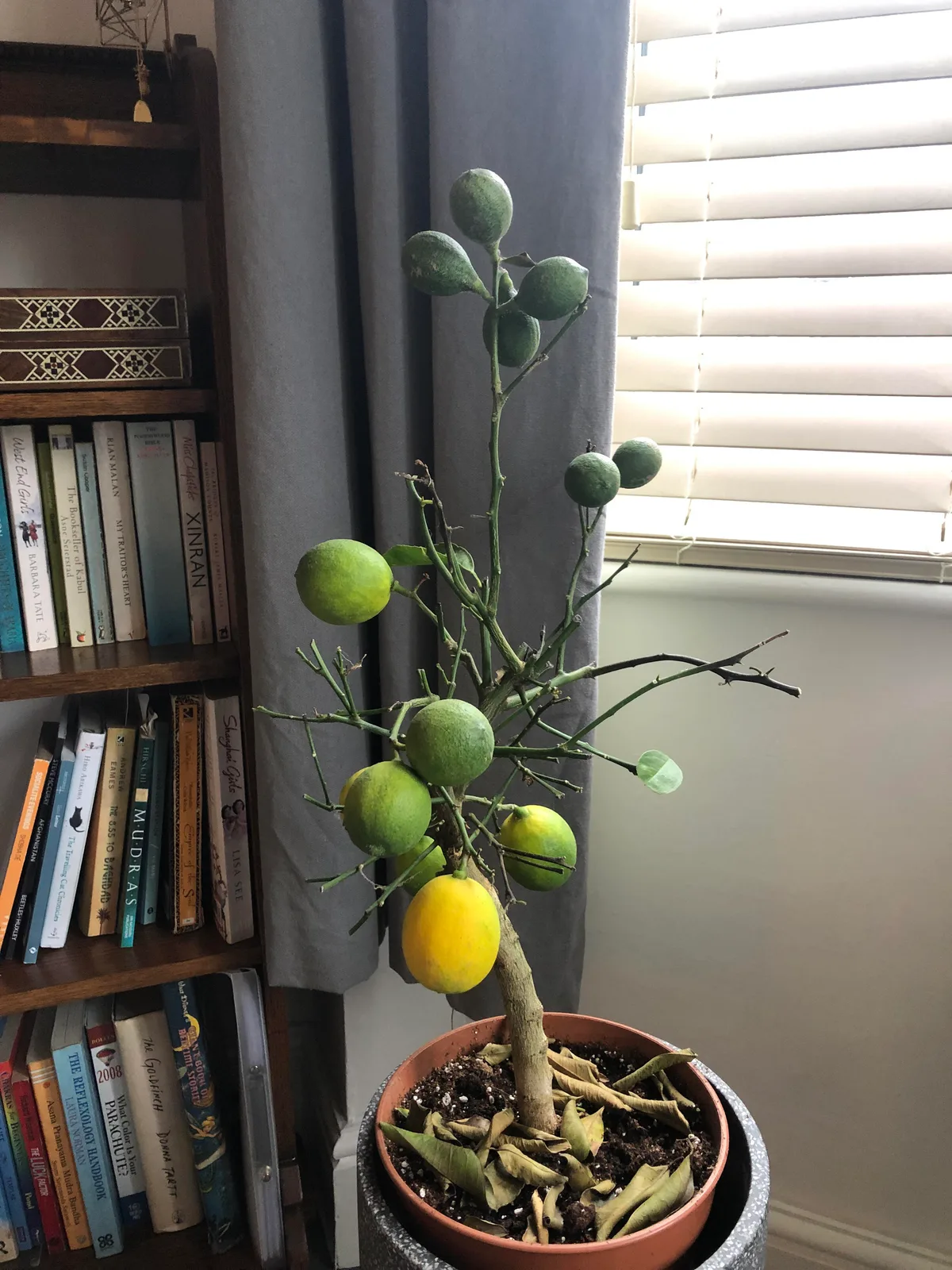
Image source: Bing (Web (fair-use with source credit))
Why Your Lemon Tree Looks Dead (But Probably Isn't)
Lemon trees are broadleaf evergreens. They are not supposed to lose all their leaves at once like a maple tree in autumn. So when your Meyer lemon suddenly drops every leaf, panic sets in fast.
But leaf drop is a survival mechanism, not always a death sentence.
When a tree faces extreme stress, it sheds foliage to conserve water and energy. The cambium layer stays alive underneath the bark. The cambium layer is the thin, living green tissue sitting right beneath the outer bark.
As long as that tissue remains green and moist, the tree can push new growth later.
Cold snaps cause this reaction constantly in marginal climates. A potted lemon tree left on a patio during a surprise frost will defoliate overnight. Transplant shock does the exact same thing to newly planted nursery trees.
Even indoor heating vents blowing dry air across wintering houseplants can trigger total leaf loss.
The biggest mistake we see in our research is premature removal. Gardeners assume a bare tree is a dead tree. They pull it out of the ground or toss the pot.
Then spring arrives, and the discarded root ball starts sprouting fresh green shoots on the compost pile.
Patience is your best tool here. Citrus trees operate on a slower recovery timeline than deciduous fruit trees. While an apple tree might bud out in early April, a cold damaged lemon tree often waits until late May or even June.
You have to give the root system time to wake up.
Drought stress mimics cold damage almost perfectly. If you forgot to water a container lemon for two weeks in July, the leaves crisp up and fall off. The branches look like brittle sticks.
Yet the main trunk usually holds enough stored moisture to keep the cambium alive.
The 3-Step Scratch, Snap, and Root Test to Know for Sure
Guessing based on leaf color wastes time. You need physical evidence to determine if your lemon tree is dead. This three part diagnostic workflow moves from the branch tips down to the soil.
Follow these steps in order.
Step 1: The Bend and Snap Test
Start at the very tips of the smallest branches. Gently bend a twig between your thumb and index finger. A living branch feels pliable and bends without breaking.
It has moisture inside the wood fibers.
A dead branch snaps immediately with a sharp crack. It feels hollow, dry, and brittle. If the outermost twigs snap, move inward toward the thicker scaffold branches.
Keep testing until you find flexible wood or reach the main trunk.
Step 2: The Scratch Test
This is the most reliable way to check the cambium layer. Take your thumbnail or a sterilized pocket knife. Scrape away a tiny sliver of the outer bark, about one sixteenth of an inch deep.
Do this on a branch that failed the bend test.
Look closely at the exposed tissue underneath.
| Scratch Test Result | What It Means | Next Action |
|---|---|---|
| Bright green and moist | Living cambium | Leave the tree alone and wait |
| Pale green or yellowish | Stressed but alive | Adjust watering and wait |
| Brown, gray, or dry | Dead wood | Scratch lower down the trunk |
| Black and mushy | Rot or disease | Check the root system immediately |
Always work from the top down. If the upper branches show brown tissue, scratch the main trunk near the base. If the trunk shows green, the tree survived.
You just need to prune the dead canopy later.
Smell the scratched wood too. Healthy citrus wood smells faintly sweet and fresh. Rotten wood smells sour, fermented, or like damp mushrooms.
That sour smell points directly to fungal issues.
Step 3: Inspecting the Roots
If the entire trunk fails the scratch test, check the roots before giving up. Carefully dig a few inches into the soil near the drip line. The drip line is the outer edge where the widest branches used to reach.
You are looking for feeder roots. These are the small, hairlike structures responsible for absorbing water. Healthy feeder roots are firm, white, or light tan.
Dead feeder roots are black, slimy, and pull apart easily when tugged.
Root rot caused by Phytophthora fungi destroys the root system while the top still looks briefly alive. Overwatering a stressed tree trying to save it is the fastest way to trigger this pathogen. Let the soil dry out properly between inspections.
Sterilize your pruning shears or knife with rubbing alcohol between every cut. Moving from a diseased tree to a healthy one spreads bacterial canker and fungal spores instantly. Sanitation matters as much as diagnosis.
Dormant, Damaged, or Actually Dead: Reading the Signs
Figuring out what happened to your lemon tree dictates your next move. A dormant tree needs patience. A damaged tree needs targeted pruning.
A dead tree needs removal. Here is how to tell them apart using specific visual cues.
Winter Dormancy vs. Cold Damage
Meyer lemons and Eureka lemons slow down significantly when temperatures drop below 50°F. Growth stops entirely. Older interior leaves might yellow and drop naturally.
This is normal seasonal behavior, not a crisis.
Actual cold damage looks much more violent. Leaves turn dark brown or black almost overnight after a freeze. They often stay attached to the branches instead of falling cleanly.
The bark on young twigs might split vertically from expanding ice crystals.
If your tree experienced temperatures below 24°F, expect structural damage. The outer canopy usually dies back first. The main trunk retains heat longer and often survives.
Wait four to eight weeks after consistent warm weather to see where new buds swell.
Disease Indicators
Citrus greening disease, also known as Huanglongbing or HLB, causes blotchy yellow leaves and lopsided fruit. Eventually the whole tree starves and collapses. HLB infected trees do not recover.
They must be removed to protect neighboring orchards.
Scale insects and spider mites drain sap continuously. Heavy infestations weaken the tree until branches die back from the tips. Look for sticky residue or tiny webbing on the remaining stems.
Treat pests before assuming the tree is beyond saving.
Sunscald and Physical Trauma
Thin barked citrus trunks burn easily if suddenly moved from shade to full sun. Sunscald creates flattened, discolored patches on the south facing side of the trunk. Severe cases girdle the tree, cutting off nutrient flow entirely.
Girdling roots cause a slower death. These are roots that circle the base of the trunk instead of growing outward. They eventually strangle the tree over several years.
Digging around the root flare reveals this mechanical choking.
Use this decision logic to guide your response.
- If the scratch test shows green tissue anywhere on the trunk, the tree is alive. Wait for spring bud break.
- If the trunk is brown but the graft union is green, the scion died. The rootstock might push suckers.
- If the trunk, graft union, and roots all fail the scratch test, the tree is dead. Remove it.
- If roots are black and mushy, stop watering immediately. Root rot is actively killing the tree.
How to Bring a Stressed Lemon Tree Back (Without Killing It)
Once you confirm the cambium layer is still green, your only job is to stay out of the way. Well meaning gardeners kill more recovering lemon trees than winter weather does. They panic, overwater, and fertilize a plant that cannot process nutrients yet.
Stop fertilizing completely. A defoliated tree has no leaves to photosynthesize. Dumping synthetic nitrogen into the soil forces the roots to work overtime.
That extra effort burns through stored energy reserves the tree desperately needs for new bud formation.
Water only when the top two to three inches of soil feel completely dry. Stick your finger into the dirt to check. Soggy soil suffocates feeder roots and invites Phytophthora.
Moist but well drained soil keeps the roots breathing.
For potted lemon trees, move the container to a sheltered spot. A location against a south facing wall absorbs radiant heat during the day. It blocks harsh drying winds that strip moisture from bare branches.
Avoid placing pots directly under heating vents if the tree winters indoors.
Do not prune dead looking wood immediately. Those brown branches might still contain living tissue deeper inside. Premature pruning exposes fresh cuts to pathogens and sunburn.
Wait until you clearly see where new green growth emerges.
Once new buds swell and open, trace them back to the nearest living node. Prune the dead wood exactly one quarter inch above that active bud. Always use sharp, sterilized bypass pruners.
Clean cuts heal faster and resist bacterial infections.
Aggregate reviews from citrus growers consistently report that patience yields the best results. Trees left alone to recover naturally bounce back stronger than those subjected to constant intervention. Give your lemon tree a minimum of eight weeks in warming spring weather before making final decisions.
If your region falls under a USDA APHIS citrus quarantine zone due to Asian citrus psyllid, follow local disposal rules strictly. Never move symptomatic wood across county lines. Check current regulations as of 2026 before transporting any citrus material.
When to Give Up and Replant: Costs, Quarantine Rules, and Rootstock Suckers
Sometimes a lemon tree is genuinely gone. Knowing when to quit saves you months of waiting on a corpse. It also frees up space, soil nutrients, and your own mental energy for a fresh start.
If the entire trunk fails the scratch test down to the soil line, remove the tree. If the roots are entirely black and foul smelling, pull it out. Leaving a rotting root mass in the ground breeds fungal spores that attack your next planting.
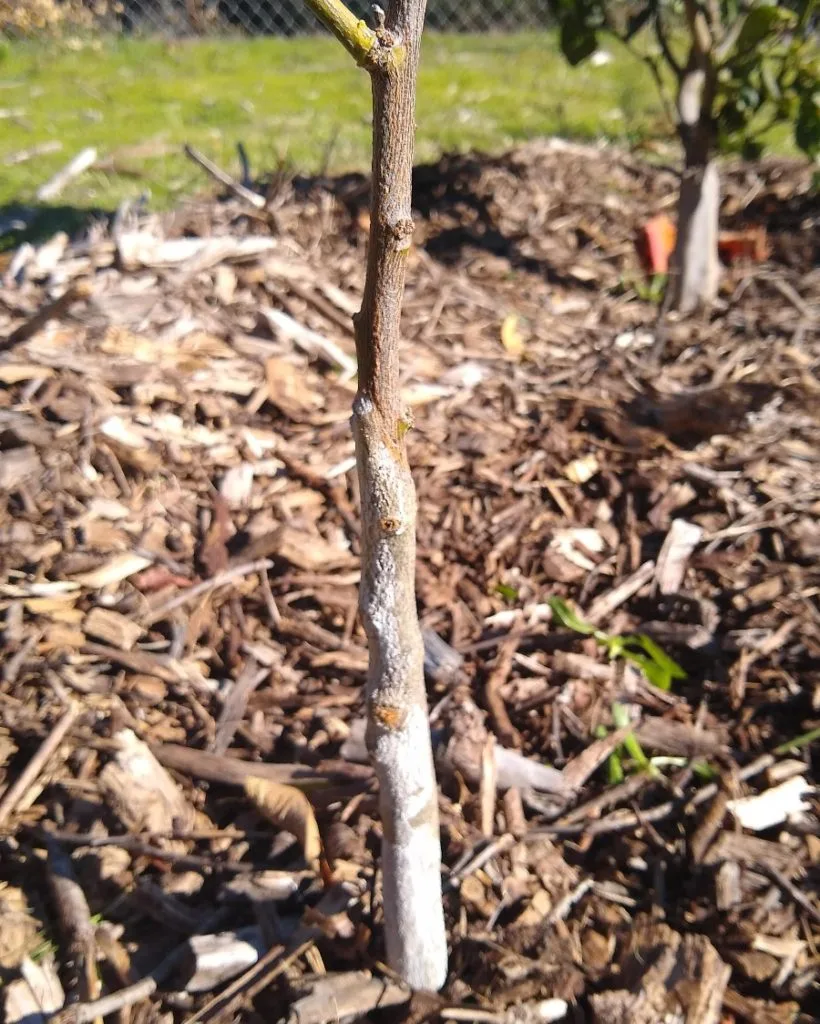
Image source: Bing (Web (fair-use with source credit))
Pay close attention to the graft union. This is the swollen bump near the base where the fruiting variety was fused onto the hardy rootstock. If the top scion dies but the rootstock survives, you will see vigorous green shoots emerging below that bump.
Those shoots are not your lemon tree coming back. They are the rootstock taking over. Rootstock varieties like trifoliate orange produce bitter, inedible fruit.
Any growth below the graft union must be pruned off immediately. Otherwise you waste years watering a weed.
Replacing a mature tree costs money and time. Nursery prices for a three to five gallon grafted lemon tree typically range from $40 to over $150 depending on the cultivar and your local market. More importantly, a newly planted tree takes three to five years to produce a meaningful harvest.
Before replanting in the exact same hole, amend the soil. Old roots harbor diseases. Dig out as much of the previous root ball as possible.
Mix in coarse sand or pine bark fines to improve drainage. Citrus hates wet feet.
Verify your local quarantine status before buying a replacement. States like California, Texas, and Florida maintain strict boundaries to prevent the spread of citrus greening. Purchasing certified disease free stock from licensed nurseries protects your entire neighborhood.
Proper disposal matters too. Do not toss HLB infected wood into your home compost bin. Bag it securely and send it to municipal green waste processing facilities equipped to handle diseased material.
Contact your local county cooperative extension office for specific guidance in your area.
Is My Lemon Tree Dead? Common Questions Answered
Can a lemon tree come back with no leaves?
Yes, a leafless lemon tree frequently recovers if the cambium layer remains green. Citrus trees shed foliage to survive extreme cold or severe drought stress. Run the scratch test on the main trunk before making any decisions.
If you find green tissue, give the roots four to eight weeks of warm weather.
How long does it take for a lemon tree to recover from frost?
Frost recovery typically takes four to eight weeks after daytime temperatures stay consistently above 60°F. The root system needs that sustained warmth to push nutrients back up into the canopy. Do not prune brown branches until you see exactly where new buds swell.
Cutting too early removes living wood hidden beneath damaged bark.
Why are my lemon tree branches turning brown?
Brown branches usually indicate dieback caused by freezing temperatures, prolonged drought, or root rot. Start at the branch tips and work inward using the bend test. Brittle twigs that snap immediately are dead.
Flexible branches that resist breaking still have active moisture flowing through them.
Should I cut dead branches off my lemon tree?
Only remove dead wood after the tree shows clear signs of new spring growth. Pruning dormant citrus exposes fresh cuts to fungal spores and sunburn. Wait until green buds open so you can identify the exact boundary between dead and living tissue.
Always use sterilized bypass pruners for clean cuts.
How do I know if my potted lemon tree is dead?
Apply the exact same scratch test workflow to container trees as you would to ground plantings. Check the upper branches first, then move down to the main trunk near the soil line. Potted lemons often suffer root rot faster because excess water cannot drain away freely.
Tip the pot slightly to check if the soil smells sour or swampy.

Similar Posts