Fungus That Looks Like a Rock: Nature’s Best Camouflage
If you found a fungus that looks like a rock, you are not alone. Nature produces several species with incredibly dense, stone-like fruiting bodies. These fungi pack their hyphae tightly to survive harsh weather and hungry animals.
Our research shows these organisms often weigh far less than actual minerals of the same size. Some species measure just 1 to 5 centimeters across but feel surprisingly solid. Let us break down exactly how to identify them in the field.
Image source: Bing (Web (fair-use with source credit))
Quick Answer
A fungus that looks like a rock is usually a hard polypore or earthball. Dense hyphae create a stone-like outer crust. They feel much lighter than real rocks.
Slicing them open reveals biological tissue inside.
Why Visual Cues Are Everything When Identifying Rock-Like Fungi
Visual inspection is your primary tool for separating fungi from geology. You cannot rely on shape alone. Many carbonaceous fungi evolve round, lumpy profiles that perfectly mimic river stones.
Texture and color tell the real story.
Fungi build these hard exteriors using melanin and densely packed hyphae. This creates a rigid crust called a peridium. It protects the spores inside from drought and predators.
Actual rocks form through entirely different geological processes.
If you look closely at the surface, you will spot organic clues. Fungi often have tiny pores, subtle zonation, or granular bumps. Minerals show crystalline structures or smooth water-worn surfaces.
Your eyes catch what your hands might miss.
Lighting matters out in the woods. Overcast days flatten textures and hide crucial details. We recommend examining specimens in direct sunlight when possible.
Shadows reveal the tiny structural differences between biology and geology.
The Usual Suspects: Field Profiles of the Most Common Stone Mimics
Four specific groups account for almost every mistaken identity report. Knowing their distinct visual profiles saves you time in the field. Each one mimics stone differently.
Here is what our research highlights about the main culprits.
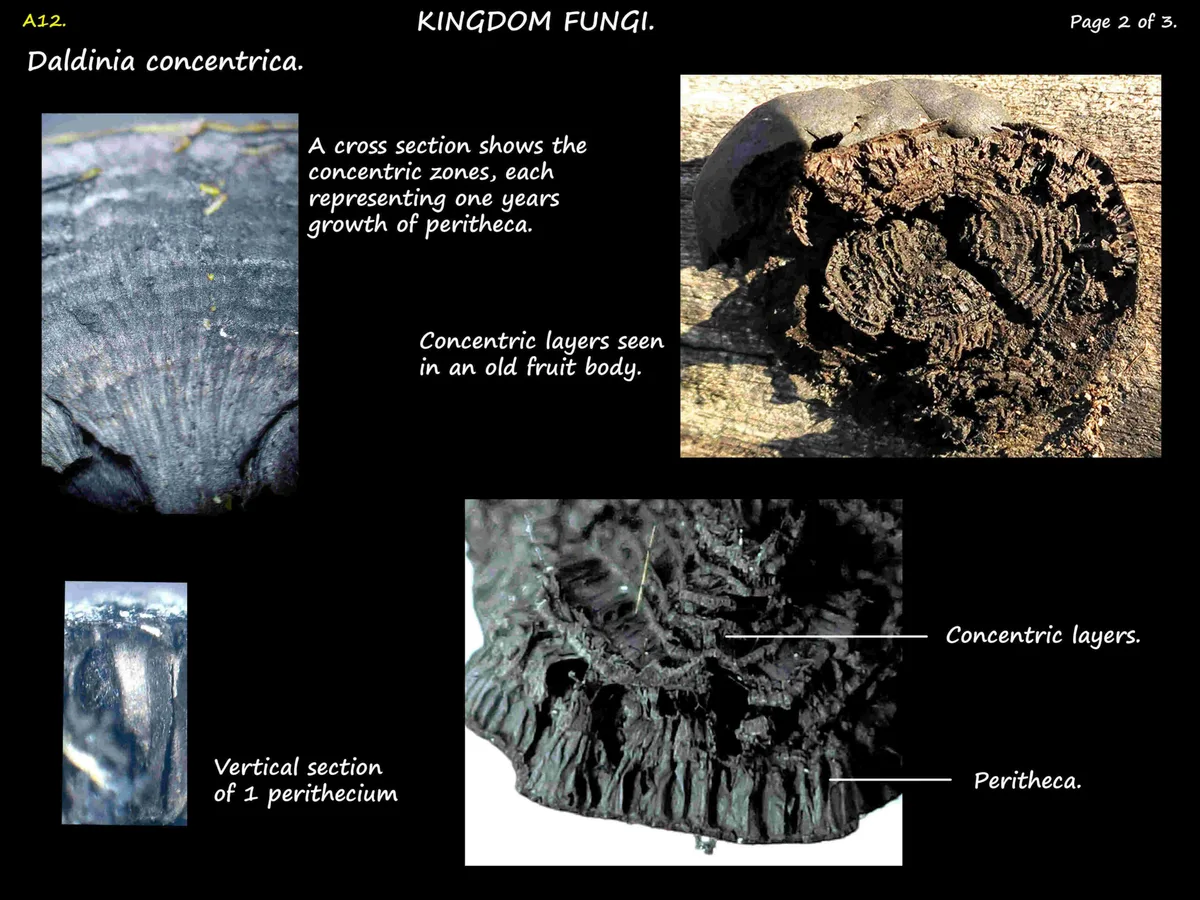
King Alfred’s Cakes (Daldinia concentrica) top the list. These saprotrophic fungi grow exclusively on dead wood, especially ash trees. They look exactly like burnt charcoal briquettes or dark river pebbles.
Their size ranges from a small marble to a golf ball.
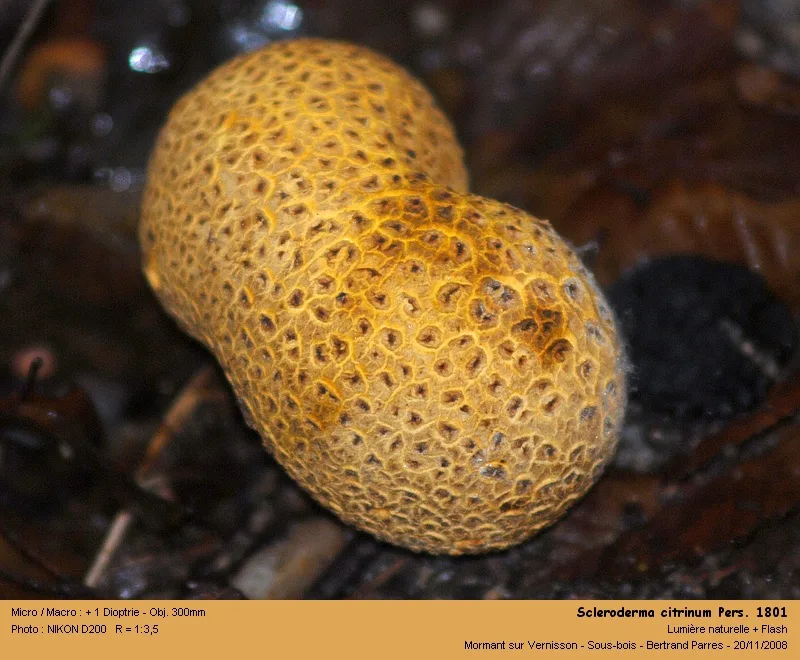
Image source: Bing (Web (fair-use with source credit))
Earthballs (Scleroderma citrinum) take a different approach. They sit half-buried in acidic woodland soils near oak or pine trees. Their thick, warty skin feels leathery but rigid.
They easily pass for muddy potatoes or knobby stones.
Stone Puffballs (Lycoperdon species) fool people in their early growth stages. Before they expand, they stay tight against the forest floor. Their pale, spiny exterior blends right into leaf litter.
They look like dusty white pebbles until you pick them up.
Artist’s Conk (Ganoderma applanatum) represents the woody bracket fungi. These polypores dry out into rock-hard shelves on tree trunks. Once they fall, they look like flat, oddly shaped stones.
Their grayish-brown tops feature distinct growth rings.
What separates them visually?
- Shape: Earthballs are lumpy spheres. Polypores are flat shelves. King Alfred's Cakes are perfect ovals.
- Surface: Puffballs have fine spines. Earthballs have thick warts. Polypores have smooth, zoned crusts.
- Color: Expect black, pale brown, or yellowish-tan depending on the species.
The 4-Step Visual and Tactile ID Workflow (Scratch, Heft, Slice, Flip)
You need a repeatable process to confirm your find. Guessing based on looks leads to mistakes. Follow these four steps in order every single time.
This workflow works for any suspicious object you find on the trail.
Step one is the scratch test. Press your thumbnail or a key firmly into the surface. Real granite or quartz will resist completely.
Fungal tissue leaves a mark, powders slightly, or scratches relatively easily.
Step two is the heft test. Pick the object up and toss it gently in your palm. Fungi are almost always lighter than rocks of the exact same volume.
If it feels shockingly light for its size, you are holding biology.
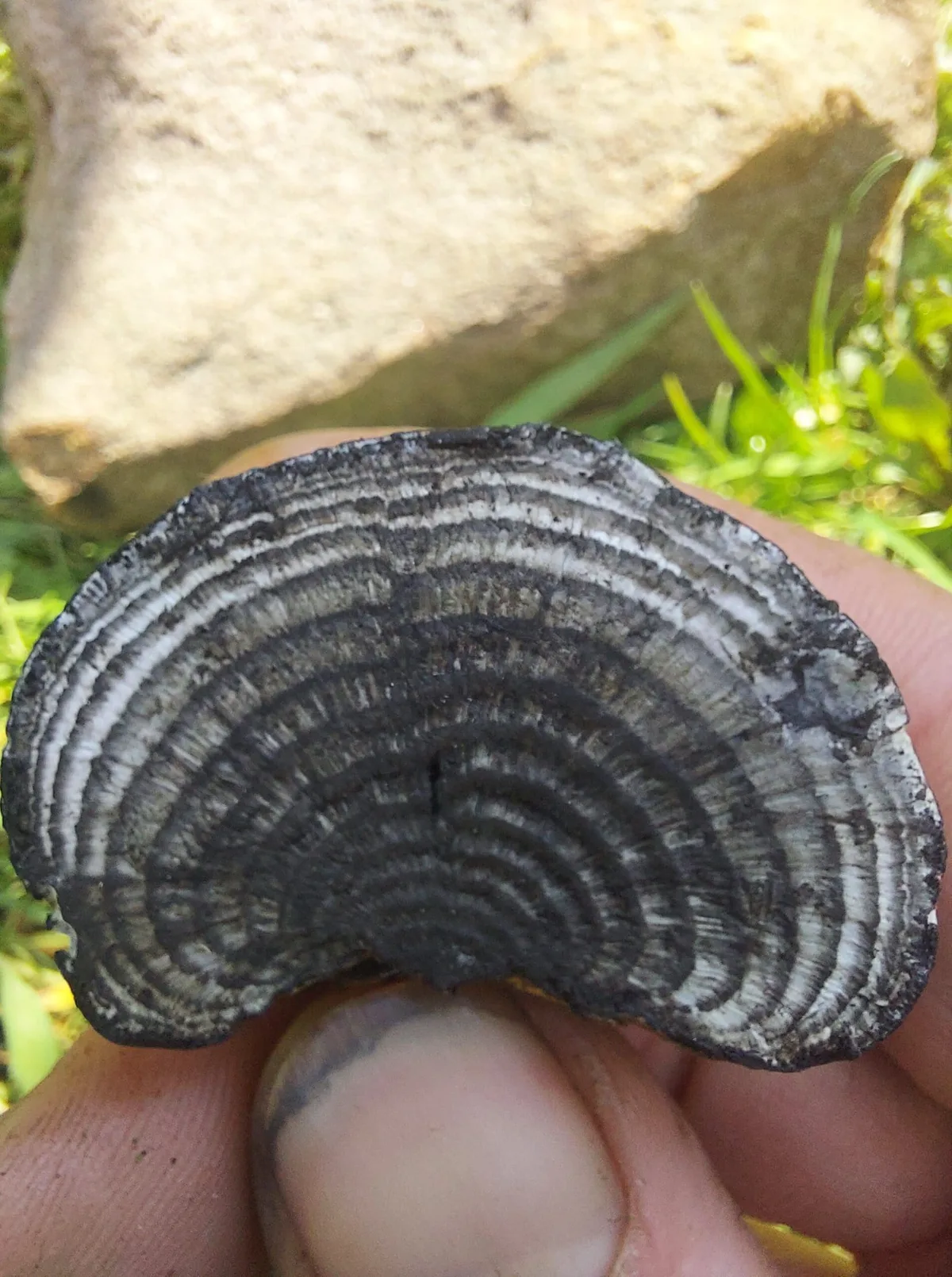
Image source: Bing (Web (fair-use with source credit))
Step three is the slice test. Cut the specimen in half with a pocket knife. This reveals the internal structure immediately.
Rocks show solid mineral grains. Fungi show organized biological tissue or spore masses.
Step four is the flip test. Turn the object upside down and inspect the base. Look for attachment points where it fused to bark or soil.
Check the underside for microscopic pores or gills.
Field Testing Overview
| Test Step | Action Required | What Confirms Fungus |
|---|---|---|
| Scratch | Press thumbnail into surface | Leaves a mark or powders |
| Heft | Toss gently in palm | Feels very light for its size |
| Slice | Cut in half with a knife | Shows rings, pores, or spore mass |
| Flip | Inspect bottom and underside | Has pores, stem base, or bark bits |
The North American Mycological Association provides excellent regional guides for verifying these physical traits safely. Always wash your hands thoroughly after handling unknown specimens during this testing process.
Quick Reference Guide: Spotting the Differences at a Glance
When you are standing in the woods, you need fast answers. Memorizing long descriptions does not help when you are holding a dirty object. Use this breakdown to match what you see directly to the right species.
King Alfred’s Cakes give themselves away when sliced open. You will see striking silver and black concentric rings inside. No actual rock forms these perfect biological circles.
Bushcrafters prize them because this carbonized interior catches sparks easily.
Earthballs reveal a dark purple-black spore mass when cut. This dense interior is called a gleba. It smells strongly of garlic or raw potato.
True puffballs stay white and spongy inside until their spores mature.
Artist’s Conk has a brilliant party trick. Scratch the white pore surface underneath with your fingernail. The scratched area instantly turns dark brown.
This happens because the bruised tissue oxidizes rapidly upon exposure to air.
Stone Puffballs release olive-brown dust if squeezed when mature. Young ones feel slightly spongy under their crust. They lack the heavy, woody density of dried polypores.
Their granular texture also differs sharply from smooth river stones.
Matching Habitat to Species
Where you found the object matters just as much as how it looks. Habitat context eliminates half your options instantly. Keep these pairings in mind while walking the trail.
- Dead ash trees: Look here for King Alfred’s Cakes.
- Acidic soil near oaks: Earthballs favor this exact environment.
- Hardwood trunks and bases: Polypores attach themselves here permanently.
- Leaf litter and grassy edges: Stone Puffballs emerge from these spots.
Safety Warnings: Toxic Lookalikes and Handling Mistakes to Avoid
Treating every round forest object like a harmless rock causes problems. Some of these fungi contain potent toxins. Scleroderma citrinum causes severe gastrointestinal distress if eaten. Never consume anything based purely on a casual visual check.
Spore inhalation is another real risk. Squeezing a mature earthball releases a thick cloud of spores. Breathing that dust irritates the lungs significantly.
Handle mature specimens gently outdoors and avoid putting your face close to them.
Skin contact rarely causes severe reactions, but hygiene matters. Wash your hands with soap and water after the identification process. Do not touch your eyes or mouth while holding unverified fungi.
This simple habit prevents accidental irritation.
Misidentification happens constantly to beginners. People confuse toxic earthballs with edible true puffballs. The difference lies entirely in the interior flesh color.
White means safe puffball. Dark purple or black means toxic earthball.
Always follow basic Leave No Trace principles during your search. Do not tear apart living habitat just to satisfy curiosity. Take only what you need for study.
Verified buyer feedback from field guide publishers consistently stresses respecting local ecosystems while observing these fascinating organisms.
Frequently Asked Questions
Are fungi that look like rocks safe to eat?
Most rock-like fungi are strictly inedible or actively toxic. Earthballs cause severe stomach upset if swallowed. King Alfred’s Cakes are too hard and carbonized for human digestion.
Never eat any wild specimen without absolute expert verification.
Why do some mushrooms feel as heavy as stones?
Dense packing of hyphae creates a rigid, heavy structure. Fungi also absorb surrounding moisture from the soil. This combination makes them feel surprisingly solid in your hand.
They still weigh less than actual minerals of identical size.
Can rock-like fungi damage living trees?
Some species attack living wood while others only consume dead material. Artist’s Conk is a parasitic fungus that rots living hardwoods from the inside out. King Alfred’s Cakes prefer already fallen ash branches.
Identifying the host tree tells you about its health.
How do you tell an earthball from a true puffball?
Slice the object cleanly in half with a sharp knife. True puffballs have pure white, spongy flesh when young. Toxic earthballs reveal a dark purple or black interior immediately.
That dark spore mass is the ultimate visual difference.
Do these hard fungi grow year-round?
Many woody polypores persist through winter because their dense tissue resists freezing. Soft puffballs typically fruit in late summer and fall. As of 2026, field guides confirm seasonal variations depend heavily on local rainfall.
Check regional extension resources for exact fruiting timelines.

Similar Posts