Female Pumpkin Flower Bud: How to Spot & Grow Them
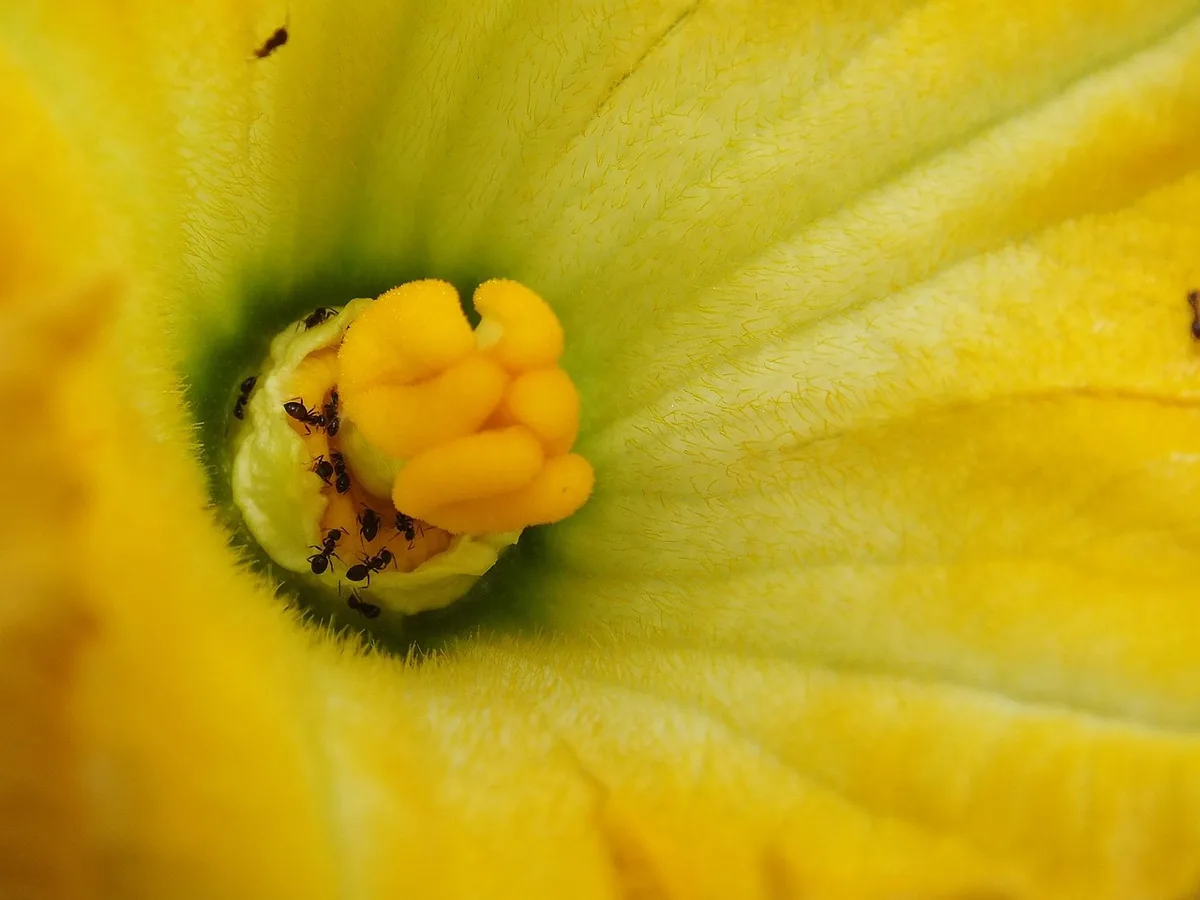
Spotting a female pumpkin flower bud correctly determines whether you get fruit or just foliage. This specific bud type holds the immature ovary at its base before opening. Misidentification leads to accidental harvest of future pumpkins or failed hand pollination attempts.
You need visual confirmation before making any decisions in the garden.
University extension research indicates female buds typically show a 0.5 to 2 cm swollen base pre-bloom. This measurable swelling distinguishes them from male counterparts as of 2026 growing standards. Let us walk through the exact visual markers that confirm identification every time.
Quick Answer
A female pumpkin flower bud has a visible swollen ovary at the stem base. This bulbous section resembles a tiny pumpkin before petals open. Male buds lack this swelling and sit on thin straight stalks.
Identification requires checking the base rather than petal color or size.
Why Spotting a Female Pumpkin Bud Matters Before It Opens
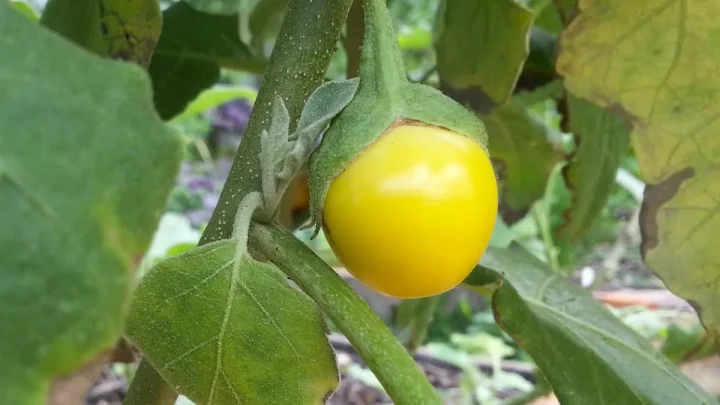
Image source: Web (Bing) / ar.inspiredpencil.com (Web image (fair-use with source credit))
Identifying gender before bloom prevents costly mistakes during peak growing season. Gardeners often confuse closed buds and accidentally remove potential fruit. This error reduces yield significantly since each female bud represents one future pumpkin.
Early recognition allows proper planning for hand pollination or culinary harvest.
Timing matters because buds change appearance rapidly within twenty-four hours. Checking too late means missing the optimal window for intervention. Hand pollination must occur the same morning flowers open.
Culinary harvesters need buds picked before they fully mature to maintain texture.
Market growers face financial consequences when misidentification occurs repeatedly. Selling unfertilized ovaries as edible flowers requires precise staging. Home gardeners lose precious growing time correcting preventable errors.
Accurate identification builds confidence and improves overall vine management throughout the season.
Visual assessment beats guessing based on position or quantity alone. Some vines produce female buds earlier than expected while others delay. Relying on calendar dates instead of physical traits causes missed opportunities.
Direct observation remains the only reliable method for consistent results across different cultivars.
The Three Visual Cues That Confirm a Female Bud
The swollen basal ovary serves as the primary identifier for female buds. This distinct bulge sits directly beneath the unopened petals. It feels firm and rounded when gently touched.
Male buds have smooth slender stems without any enlargement at the base.
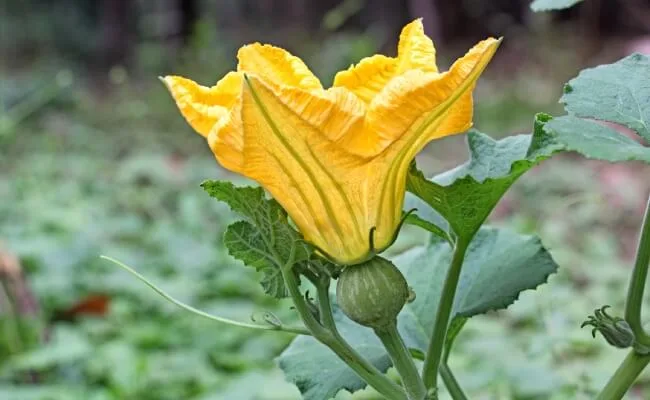
Image source: Web (Bing) / seedsandspades.com (Web image (fair-use with source credit))
Pedicel length provides the second reliable visual cue. Female flower stalks are noticeably shorter and thicker than male stalks. This structural difference supports the developing fruit weight.
Male pedicels remain long and thin since they only support lightweight pollen-bearing flowers.
Calyx tube thickness offers the third confirmation point. Female buds display a wider protective casing around the base. This expanded structure accommodates the growing ovary inside.
Male calyx tubes stay narrow and uniform from stem to petal attachment. Comparing multiple buds on the same vine makes these differences obvious.
These three traits work together for positive identification. One marker alone might be ambiguous on stressed plants. Seeing all three confirms gender with near certainty.
Practice scanning vines daily to train your eye for subtle variations. Experience speeds up recognition significantly after one full growing cycle.
Female vs. Male Buds: A Side-by-Side Visual Breakdown
Direct comparison eliminates doubt when identifying pumpkin flower gender. Place suspected buds next to known males for reference. Size ratios become apparent when viewed simultaneously rather than from memory.
This side-by-side method works better than memorizing abstract descriptions.
| Feature | Female Bud | Male Bud |
|---|---|---|
| Base Shape | Swollen bulbous ovary | Smooth slender stem |
| Stalk Length | Short and thick | Long and thin |
| Calyx Width | Wide expanded tube | Narrow uniform tube |
| Bloom Timing | Opens later in season | Appears first on vine |
| Quantity Ratio | Fewer per vine | More abundant early |
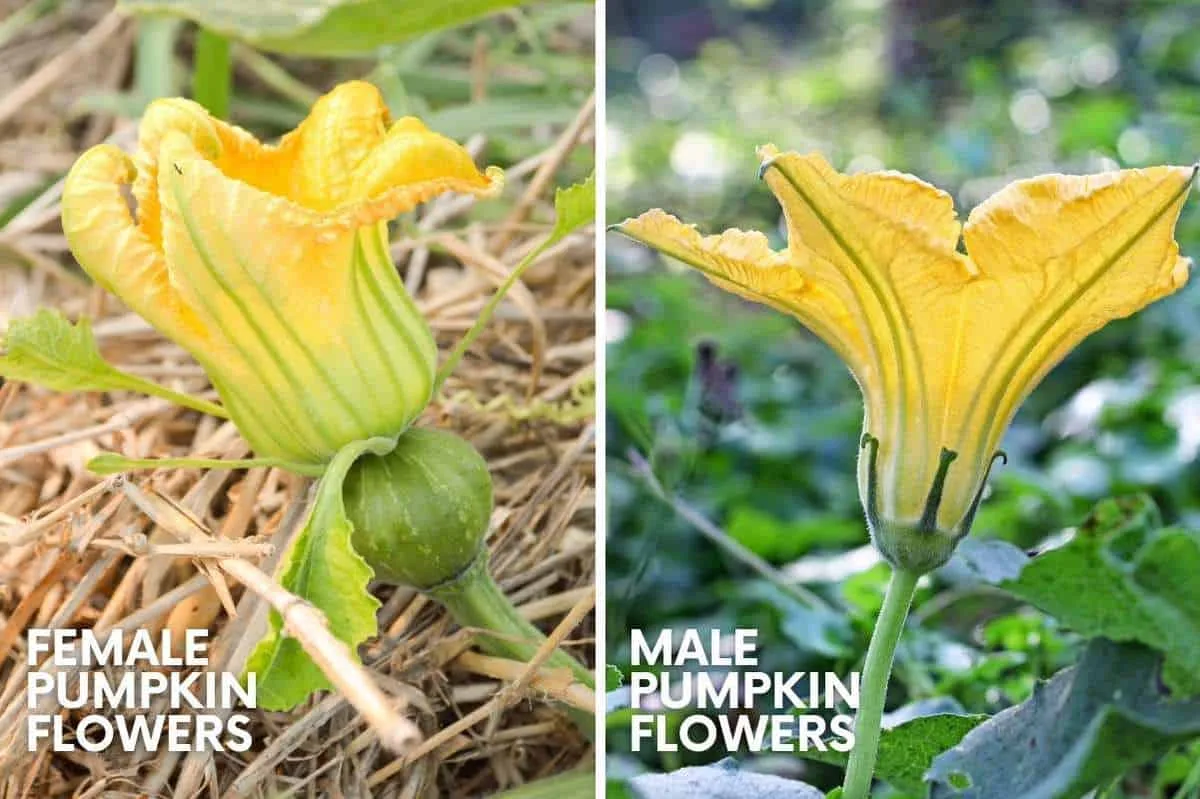
Image source: Web (Bing) / ar.inspiredpencil.com (Web image (fair-use with source credit))
Male buds typically appear weeks before females emerge. This natural sequence ensures pollen availability when needed. Finding only thin-stemmed buds early is normal and expected.
Patience prevents unnecessary concern about vine health or productivity.
Size variation exists between pumpkin species and cultivars. Giant varieties produce larger ovaries visible from greater distances. Pie pumpkins have smaller but equally distinct basal swellings.
Always compare buds within the same plant for accurate assessment. Cross-plant comparisons can mislead due to genetic differences.
Color matching helps distinguish buds from leaf nodes. Both genders share identical green pigmentation with surrounding foliage. Texture differs subtly under close inspection.
Female bases feel denser due to internal tissue development. Male stems maintain consistent flexibility throughout their length.
Step-by-Field Guide to Identifying Buds Without Damaging Them
Approach vines carefully to avoid breaking fragile reproductive structures. Pumpkin stems snap easily under pressure or sudden movement. Support the vine with one hand while inspecting with the other.
Gentle handling preserves both identified buds and surrounding growth points.
Inspect during late afternoon or early evening for best visibility. Buds are turgid and upright before overnight expansion occurs. Morning inspections risk damaging flowers already opening for pollination.
Consistent timing builds routine and improves detection accuracy over weeks.
Part leaves systematically to expose hidden bud sites. Female buds often form lower on vines beneath dense canopy coverage. Use fingertips rather than tools to move foliage aside.
Metal implements can transmit viruses between plants if not sanitized properly.
Mark confirmed female buds with biodegradable tape or soft ties. This prevents rechecking the same locations repeatedly. Tags also help track development rates across different vine sections.
Remove markers after successful pollination or harvest to reduce clutter.
Record observations in a garden journal for future reference. Note dates when first female buds appeared on each variety. Track success rates of hand pollination attempts tied to specific buds.
Data collection transforms casual gardening into informed practice over multiple seasons.
Common Misidentifications and How to Avoid Wasting Fruit
Stem nodes frequently fool new growers seeking female buds. These junction points where leaves attach can appear slightly swollen. Nodes lack the distinct rounded shape of true ovaries.
They also sit flush against the main vine rather than extending outward.
Immature fruit damaged by pests mimics undeveloped female buds. Cucumber beetles and squash vine borers target reproductive structures specifically. Check for entry holes or frass near suspect swellings.
Removing pest-damaged tissue prevents disease spread to healthy buds.
Parthenocarpic varieties produce fruit without fertilization. These cultivars develop ovaries that never fully differentiate visually. Growers expecting traditional morphology may discard viable buds unknowingly.
Verify seed packet specifications before applying standard identification rules.
Environmental stress causes abnormal bud development occasionally. Drought or nutrient deficiency produces undersized ovaries hard to classify. Compare stressed buds against healthy specimens on the same vine.
Supplemental care may restore normal morphology within days if caught early.
Overconfidence leads to assumptions without verification. Experienced gardeners still benefit from double-checking questionable buds. Taking extra seconds prevents losing entire fruits later.
Humility in identification protects yields more effectively than assumed expertise.
Timing Your Check: When Buds Are Easiest to Read
Late afternoon provides the most reliable window for bud identification. Turgor pressure peaks as temperatures cool and transpiration slows. Swollen ovaries stand out prominently against relaxing foliage during this period.
Morning checks often miss subtle swelling due to overnight hydration changes.
Bud development accelerates roughly twenty-four to forty-eight hours before anthesis. This pre-bloom stage offers maximum visual contrast between genders. Checking earlier risks misreading undeveloped tissue as male stems.
Waiting too long means flowers open before you can intervene effectively.
Temperature thresholds directly influence bud visibility and development speed. Night temperatures below fifty degrees Fahrenheit slow ovary expansion significantly. Cool spells may delay female bud emergence by several days.
Warm humid conditions accelerate growth but increase rot risk on developing fruit.
Consistent daily scouting builds pattern recognition faster than sporadic checks. Vines produce buds in predictable waves tied to vine growth stages. Tracking these cycles helps anticipate female bud appearance before they swell fully.
Cornell Cooperative Extension research confirms regular monitoring improves pollination success rates substantially.
Seasonal timing affects female-to-male bud ratios throughout the growing period. Early season vines produce predominantly male flowers to establish pollen reserves. Female buds increase proportionally as vines mature and energy shifts toward reproduction.
Understanding this natural progression prevents premature concern about low female counts.
Day length sensitivity varies among pumpkin species and cultivars. Some varieties require specific photoperiods to trigger female flower initiation. Short-day types may not produce female buds until late summer.
Matching cultivar selection to your latitude ensures timely fruit set within your frost-free window.
Frequently Asked Questions
Can I eat a female pumpkin flower bud?
Yes, female buds are edible and prized for their attached miniature fruit. Harvest only when the ovary is marble-sized and firm. Larger ovaries become bitter and fibrous quickly.
Always confirm no pesticide applications occurred within the pre-harvest interval.
Why do my female buds shrivel before opening?
Shriveling usually indicates incomplete pollination or environmental stress. Extreme heat above ninety degrees causes ovary abortion even with adequate pollen. Insufficient soil moisture during bud development also triggers drop.
Hand pollination and consistent watering prevent most cases of premature bud loss.
How many female buds should a healthy vine produce?
Healthy vines typically produce one female bud for every four to ten males early on. Ratios improve toward equal distribution as vines reach full size. Fewer females suggest nutrient imbalance or excessive nitrogen fertilization.
Adjust feeding schedules based on observed flowering patterns rather than calendar dates.
Do all pumpkin varieties have visible female buds?
All sexually reproducing pumpkins develop identifiable female buds with basal ovaries. Parthenocarpic varieties are exceptions that set fruit without pollination. These specialty cultivars still show swollen bases but lack functional stigmas.
Check seed descriptions if your variety behaves unexpectedly during identification attempts.
What if I cannot tell male from female buds?
Wait until buds enlarge further before making any harvesting decisions. Ambiguous buds often clarify within twelve to eighteen hours of additional growth. Mark uncertain specimens and recheck at next optimal viewing time.
Patience prevents accidental removal of future fruit more reliably than guessing.
Does pruning affect female bud production?
Strategic pruning can redirect energy toward reproductive growth over vegetative expansion. Removing excess lateral vines increases light penetration to remaining bud sites. Over-pruning stresses plants and reduces overall flower production temporarily.
Balance vine management with adequate leaf area for photosynthesis support.

Similar Posts