Does Dawn Dish Soap Kill Plants? What You Need to Know
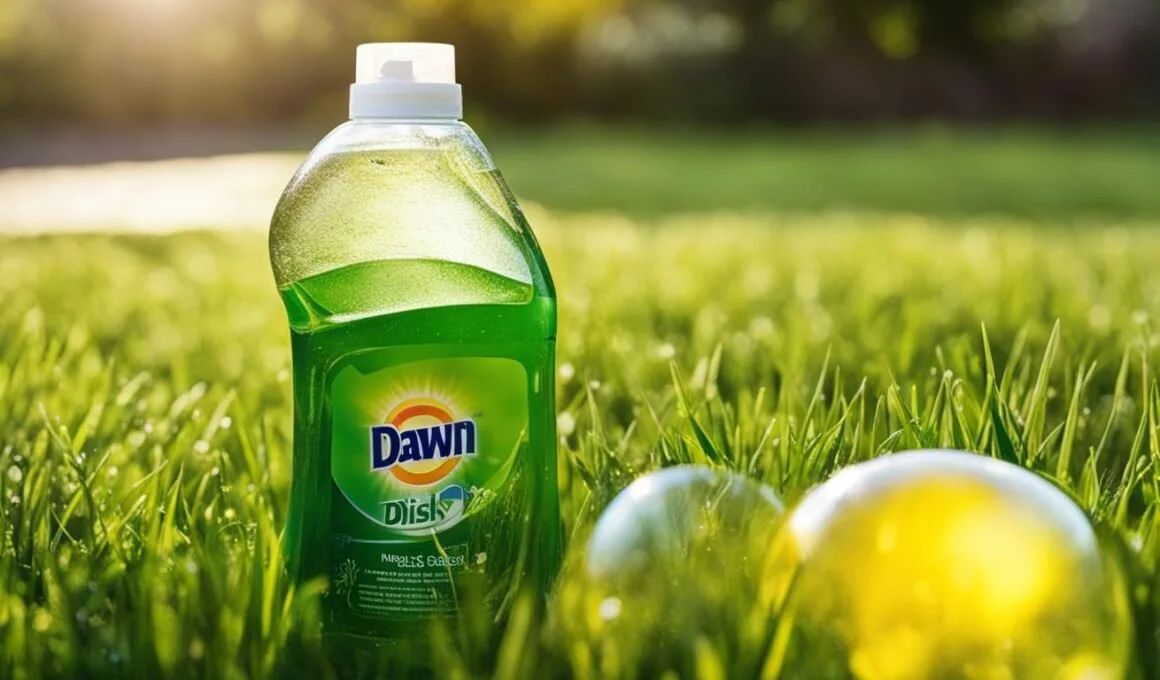
If you're wondering whether does dawn dish soap kill plants, the answer depends entirely on how much you use. Undiluted or heavily mixed Dawn will absolutely damage your garden.
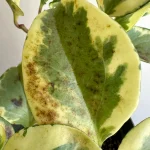
Our research into university extension guidelines shows that a 1% to 2% solution is the maximum safe limit for most foliage. Anything stronger strips the protective wax right off the leaves. Let's look at exactly why that happens and how to make the right call for your specific plants.
Image source: Bing (Web (fair-use with source credit))
Quick Answer
Dawn dish soap can kill plants if mixed too strong. High concentrations strip away protective leaf wax. This causes rapid moisture loss and tissue death.
A weak dilution under two percent is safer. Always test one leaf first before spraying everything.
Does Dawn Dish Soap Kill Plants? The Quick Answer
Yes, Dawn dish soap kills plants if you mix it too strong. It destroys the waxy outer layer of the leaf. That layer holds moisture in and keeps diseases out.
Without it, the plant dries up fast.
The difference between saving your plant and killing it comes down to concentration. A 1% solution means roughly one teaspoon of soap per quart of water. Push that past 3%, and phytotoxicity sets in quickly.
Phytotoxicity simply means chemical damage to plant tissue.
Most home gardeners grab the bottle and squeeze without measuring. That's where the trouble starts. Dawn is a heavy duty degreaser.
It works great on pots and pans. It works terribly on delicate tomato leaves if you overdo it.
If you have aphids covering your roses, you need a plan. You don't just need soapy water. You need the right amount of soapy water applied at the right time.
We've broken down the exact decision process below.
Your choice depends on three things. Those are your plant type, the pest pressure, and your local weather. Hard water makes this even trickier.
Minerals in hard water react with the surfactants in Dawn. That leaves a white crust on your leaves and reduces bug killing power.
Why Dawn Burns Leaves (Detergent vs. True Insecticidal Soap)
Dawn burns leaves because it is a synthetic detergent, not a true soap. True insecticidal soaps use potassium salts of fatty acids. They target bugs while leaving plant wax mostly alone.
Dawn targets grease. Plant cuticles are basically biological grease.
Every leaf has an epicuticular wax layer. Think of it as a raincoat. It stops water from evaporating too fast.
It blocks fungal spores from taking hold. Surfactants like sodium lauryl sulfate dissolve that raincoat instantly.
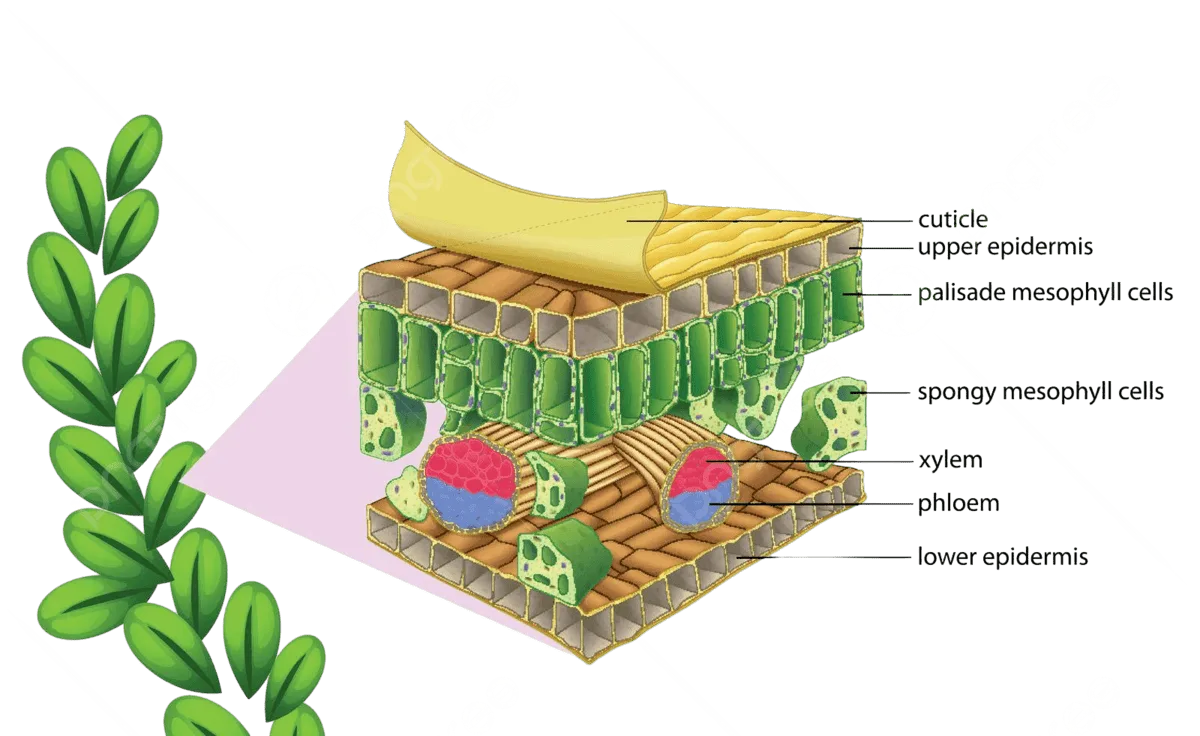
Image source: Bing (Web (fair-use with source credit))
Once that wax is gone, the stomata stay open too long. Stomata are the tiny pores plants use to breathe. The plant loses water faster than the roots can replace it.
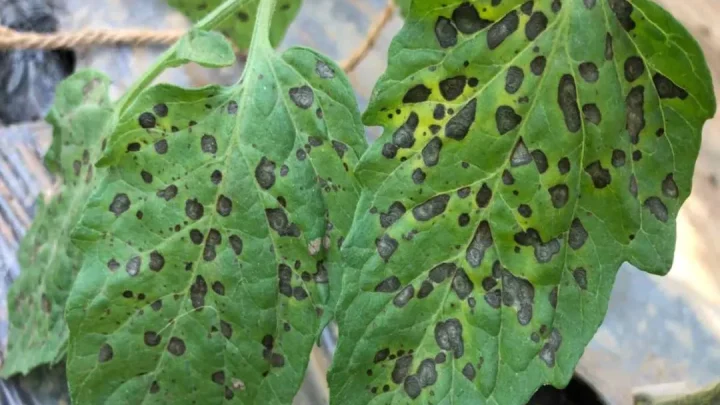
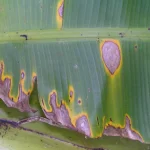
You'll see yellowing edges within 24 hours.
University extension programs like Clemson University Extension warn against using household detergents on crops. Their research confirms that commercial insecticidal soaps are formulated specifically to avoid this cuticle stripping. Household products lack those safety buffers.
Here is how the two options stack up against each other.
| Feature | Dawn Dish Soap | True Insecticidal Soap |
|---|---|---|
| Active Ingredient | Synthetic surfactants | Potassium salts of fatty acids |
| Target Action | Strips all oils and waxes | Disrupts insect cell membranes |
| Plant Safety Margin | Very narrow | Much wider |
| Residue Left Behind | Heavy film if unrinsed | Minimal natural breakdown |
| EPA Registration | Not registered as pesticide | Registered for pest control |
Dawn breaks surface tension brilliantly. That helps the spray coat soft bodied insects like spider mites. But that same physical action attacks the leaf surface.
You are trading plant health for bug death.
Some plants handle this trade better than others. Thick succulent leaves resist damage longer. Thin fern fronds burn almost immediately.
Knowing your plant's tolerance is step one.
The Decision Tree: Should You Spray Your Plant With Dawn?
Should you spray your plant with Dawn? Only if you meet every condition in the safe branch below. If any single factor points to danger, put the soap away.
Use plain water or buy a real insecticidal soap instead.
Follow this logic path before you mix anything.
When It Is Safe to Use Dawn
- If your plant has thick or waxy leaves and you only see a few bugs, a weak spray works.
- If the temperature is below 85°F and the plant sits in shade, you can proceed.
- If you are treating ornamental shrubs rather than food crops, the risk is lower.
- If you commit to rinsing the leaves with plain water two hours later, go ahead.
When You Must Avoid Dawn Completely
- If your plant has hairy or thin leaves like tomatoes or begonias, skip it.
- If temperatures exceed 90°F outside, the sun will bake the soap into the tissue.
- If your tap water is very hard, the mineral reaction creates toxic residue.
- If you are spraying edible greens you plan to harvest tomorrow, don't do it.
This isn't about Dawn being evil. It's about matching the tool to the situation. A heavy degreaser demands respect.
Treat it like a chemical application, because that's exactly what it is.
Ask yourself what you are actually trying to kill. Aphids and whiteflies die easily from soap contact. Scale insects with hard shells won't care.
Fungus gnats live in the soil, so spraying leaves does nothing.
If your pest doesn't match the solution, you're just stressing your plant for no reason. Check the bug first. Then check the weather.
Finally, check the leaf texture. If all three align, move to the mixing stage.
How to Mix and Apply Dawn Safely (If You Decide To)
You need to measure precisely. Do not guess. Grab a standard liquid measuring spoon and a clean spray bottle.
One quart of water gets exactly one teaspoon of original blue Dawn. That yields a safe 1% solution.
Avoid the Ultra or Platinum versions if possible. They contain higher concentrations of aggressive surfactants. The original formula is harsh enough on its own.
Stick to the basics.
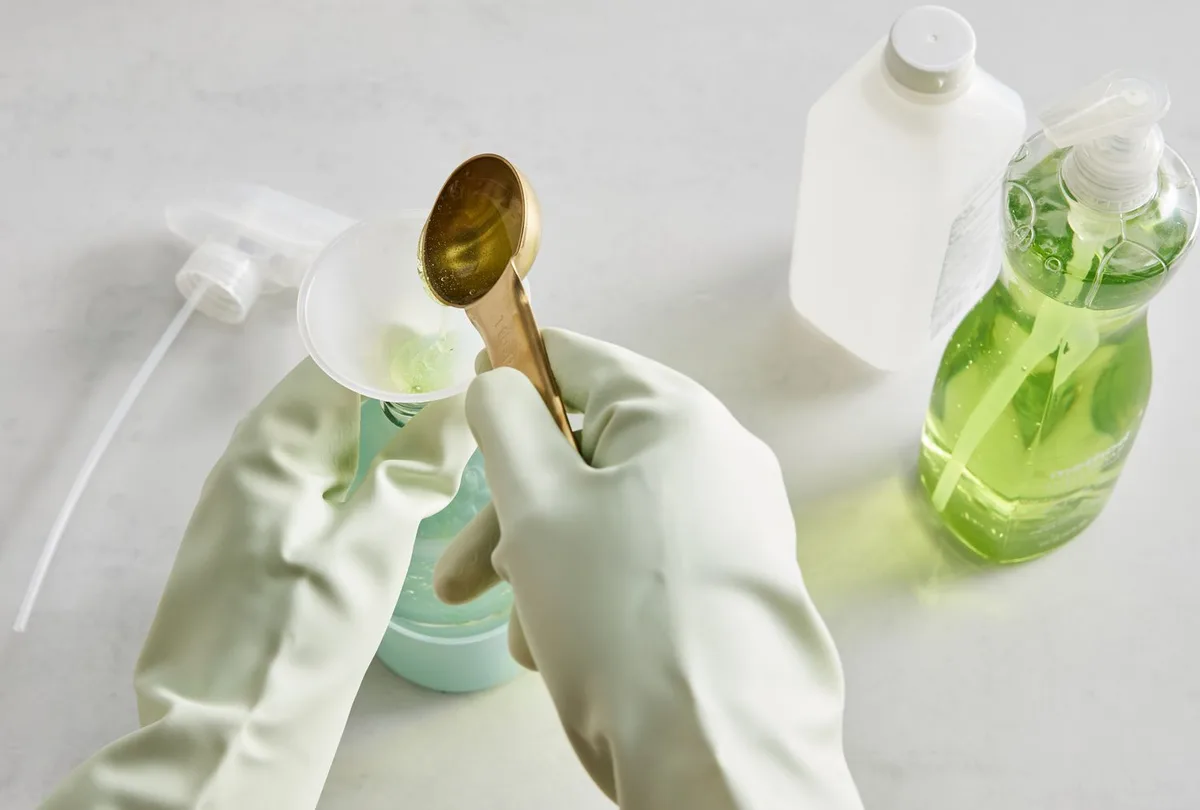
Image source: Bing (Web (fair-use with source credit))
Mix the water first. Add the soap last. Pouring soap into an empty bottle and blasting it with water creates a foam volcano.
You lose your measurement accuracy in the bubbles. Stir gently until clear.
Step by Step Application Process
- Pick one leaf. Spray only that single leaf. Wait a full 24 hours. Look for brown spots or curling. If the leaf looks fine, your plant can handle the mix.
- Spray early or late. Hit the garden before 9 AM or after 6 PM. Direct sunlight accelerates leaf burn. Wet soap acts like a magnifying glass on tender tissue.
- Target the undersides. Bugs hide beneath the leaves. Spraying the top does almost nothing. Flip the foliage gently and coat the bottom surfaces thoroughly.
- Rinse after two hours. Get your hose or a second bottle of plain water. Wash the soap off the plant. Leaving it to dry overnight guarantees cuticle damage.
- Wait a week. Never spray two days in a row. Give the plant time to rebuild its wax layer. Reapply only if live bugs return after seven days.
Keep your sprayer dedicated to this task. Don't use the same bottle for fertilizer next week. Residual soap messes with nutrient uptake.
Label it clearly so nobody else grabs it by mistake.
Aggregate user reviews show that people often forget the rinse step. That's where most DIY damage happens. The soap kills the bugs, but then it kills the leaf too.
Rinsing separates success from failure.
Common Mistakes That Turn a DIY Pest Spray Into Plant Damage
People ruin their gardens with Dawn by rushing the process. The biggest error is eyeballing the mixture. Squeezing the bottle directly into the sprayer usually results in a 5% concentration or higher.
That melts plant tissue on contact.
Another massive mistake is spraying during peak heat. Gardeners notice bugs at noon while weeding. They run inside, mix soap, and spray immediately.
The afternoon sun bakes the surfactants into the stomata. By evening, the leaves are crispy.
Using Dawn on sensitive species catches many beginners off guard. Sweet peas, ferns, and certain succulents lack thick protective barriers. What barely bothers a rose bush will destroy a maidenhair fern in hours.
Know your plant's limits before mixing.
Ignoring water quality is a silent killer. Hard water contains calcium and magnesium. These minerals bind with the sodium laureth sulfate in Dawn.
The result is a sticky white scum that blocks light and chokes pores.
Finally, folks forget that Dawn kills beneficial insects too. Ladybugs and lacewings eat your aphids. If you blanket spray the whole garden, you wipe out your good guys.
Spot treat only the infested branches. Leave the rest alone.
Overapplication frequency is the last major trap. Bugs hatch in cycles. People spray every day to "stay ahead." Daily soap exposure prevents the cuticle from ever recovering.
The plant slowly starves from moisture stress. Stick to a strict seven day minimum gap between treatments.
Dawn vs. Safer Alternatives for Killing Soft-Bodied Pests
Dawn works on contact, but safer options protect your plant's cuticle while doing the same job. If you've ever watched a commercial insecticidal soap work, you'll notice it leaves zero greasy residue. That happens because true soaps break down completely in sunlight.
Synthetic detergents just sit there baking into the leaf tissue.
Neem oil is another strong option for stubborn infestations. It acts as an antifeedant rather than a simple contact killer. Bugs stop eating long before they die.
You don't need to coat every single aphid perfectly like you do with soapy water sprays.
Horticultural oils smother pests without stripping protective wax layers. They are ideal for scale insects that ignore soap entirely. The oil blocks their breathing pores.
As of 2026, refined dormant oils remain a top recommendation from university extension programs for winter pest control.
| Pest Type | Best Treatment Option | Why It Works Better Than Dawn |
|---|---|---|
| Aphids | True insecticidal soap | Kills on contact without burning thin leaves |
| Spider mites | Neem oil spray | Disrupts breeding cycles over several days |
| Scale insects | Horticultural oil | Smothers hard shells that soap cannot penetrate |
| Whiteflies | Yellow sticky traps | Catches adults without spraying foliage at all |
| Mealybugs | Rubbing alcohol swab | Dissolves waxy bug coating instantly and safely |
A plain blast of water from a garden hose solves half of all aphid problems. Physical removal knocks them off the plant. Most soft-bodied pests can't climb back up before they starve.
You avoid chemical stress entirely.
Save Dawn for absolute emergencies when nothing else is available. Even then, stick strictly to the 1% dilution we covered earlier. Buying a five dollar bottle of registered insecticidal soap prevents fifty dollars worth of plant damage.
The math always favors the right tool.
Frequently Asked Questions
Will a few drops of Dawn in my watering can hurt roots?
Yes, pouring soapy water directly into soil damages root systems. Surfactants strip natural protective coatings off delicate root hairs. Your plant will struggle to absorb water afterward.
Always apply soap sprays only to the leaves. Keep the mixture far away from the potting soil or garden bed.
Can I use Dawn to kill fungus gnats in houseplant soil?
No, Dawn does not reach fungus gnat larvae living deep in the dirt. The soap sits on the surface and dries out quickly. You are better off using mosquito dunks containing BTI bacteria.
Those target the larvae specifically without harming your houseplant roots.
Is Dawn Platinum worse for plants than the original blue formula?
Dawn Platinum contains higher concentrations of aggressive degreasing surfactants. It strips plant wax much faster than the original blue version. If you absolutely must use dish soap, stick to the basic formula.
Never use heavy duty variants on living foliage under any circumstances.
How long does it take for soap damage to show on leaves?
Phytotoxicity symptoms usually appear within 24 to 48 hours of application. You will see yellowing edges or brown crispy spots first. Thin leaves react faster than thick succulent ones.
Rinsing the plant two hours after spraying prevents most of this visible damage.
Does rain wash off Dawn before it hurts the plant?
A heavy downpour dilutes and removes soap residue naturally. Light drizzle might just spread the detergent further across the leaf surface. Don't rely on weather forecasts to save your plants from a bad mix.
Always rinse them yourself with clean water to be safe.

Similar Posts