Avocado Leaf Curl: Top Causes & How to Fix It Fast
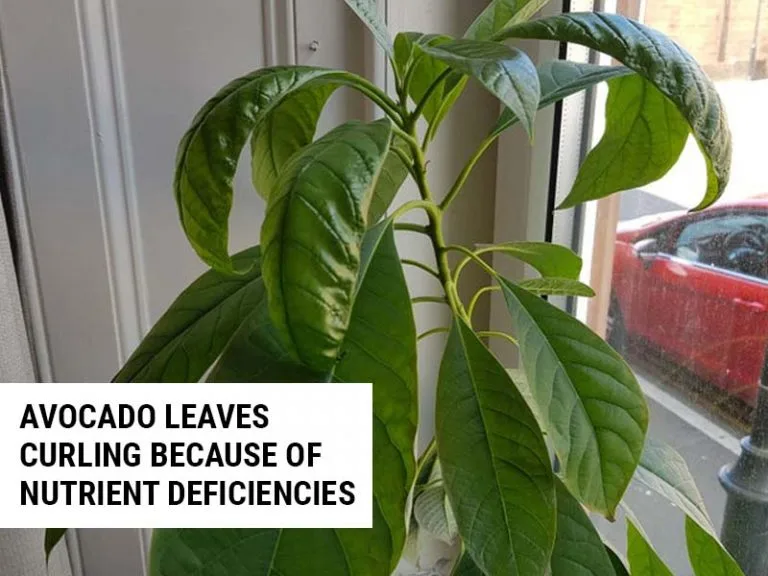
Avocado plant leaf curl signals stress from water, salts, or pests. You must identify the exact cause before treating. Wrong fixes often kill stressed trees faster than neglect.
Research from UC Agriculture and Natural Resources confirms salinity above 1.5 dS/m causes irreversible damage. We built this diagnostic workflow to help you find the real problem quickly. Let’s start by checking three physical indicators that separate these issues.
Quick Answer
Avocado plant leaf curl indicates water stress, salt toxicity, or mite infestation. Check soil moisture first to rule out irrigation problems. Examine leaf margins for browning to confirm salt burn.
Inspect undersides for webbing to identify pest pressure. Treat only after confirming the specific cause.
The 3-Step Diagnostic Check: Texture, Pattern, and Location
Image source: Bing (Web (fair-use with source credit))
How does leaf texture reveal the problem?
Texture tells you if the issue is physiological or biological. Dry and brittle leaves usually mean salt accumulation or chronic underwatering. Limp or wilted leaves point toward root rot or acute drought stress.
Mite damage feels rough or stippled rather than smooth.
What does the curl pattern indicate?
Upward curling typically signals water deficit or heat stress as the tree conserves moisture. Downward cupping often suggests overwatering or root disease limiting uptake. Irregular distortion with bronzing points directly to mite feeding damage.
Uniform marginal curl without discoloration may be mild environmental adjustment.
Why does symptom location matter?
Older lower leaves showing symptoms first suggest salt burn or nutrient mobility issues. New flush damage indicates pests, herbicide drift, or micronutrient deficiency. Random scattered damage across the canopy often means wind or mechanical injury.
Whole-tree uniform curl usually traces back to irrigation system failure or water quality.
| Symptom | Likely Cause | First Check |
|---|---|---|
| Brittle brown margins | Salt burn | Soil EC test |
| Limp wilting | Root rot | Drainage test |
| Upward rolling | Drought stress | Soil probe |
| Stippled bronzing | Mites | Underside inspection |
| Distorted new growth | Thrips/virus | Pest trapping |
This triage process eliminates guesswork before you apply any treatment. Most home growers skip this step and worsen the problem. Now we move into the decision branches based on what you found.
Branch 1: Ruling Out Water Stress and Root Health Issues
Water problems cause more avocado leaf curl than any other factor. You need to distinguish between too much and too little water immediately. Both produce curling but require opposite corrections.
Getting this wrong kills trees within weeks.
Is the soil actually dry?
Use a soil probe or moisture meter to check at six inches deep. Surface dryness is misleading because avocados have shallow feeder roots deeper down. If the probe reads moist but leaves still curl, suspect root rot instead of drought.
Consistent readings below 30% volumetric water content confirm true deficit.
Does drainage pass the percolation test?
Dig a small hole near the drip line and fill it with water. It should drain completely within two hours for healthy avocado roots. Standing water after four hours indicates compaction or clay layers causing suffocation.
Poor drainage combined with curling leaves almost always means Phytophthora infection.
Could irrigation frequency be the culprit?
Avocados need frequent light watering rather than deep soaking. Shallow roots dry out fast in warm weather even if subsoil stays wet. Daily pulse irrigation works better than weekly flooding for container trees.
In-ground trees benefit from mulch to maintain consistent moisture between cycles.
Root health determines whether your tree can recover from water stress. If drainage fails or rot signs appear, stop watering immediately. Improve aeration before attempting any corrective irrigation schedule.
Healthy roots bounce back quickly once moisture stabilizes correctly.
Branch 2: Identifying Salt Burn and Mineral Toxicity
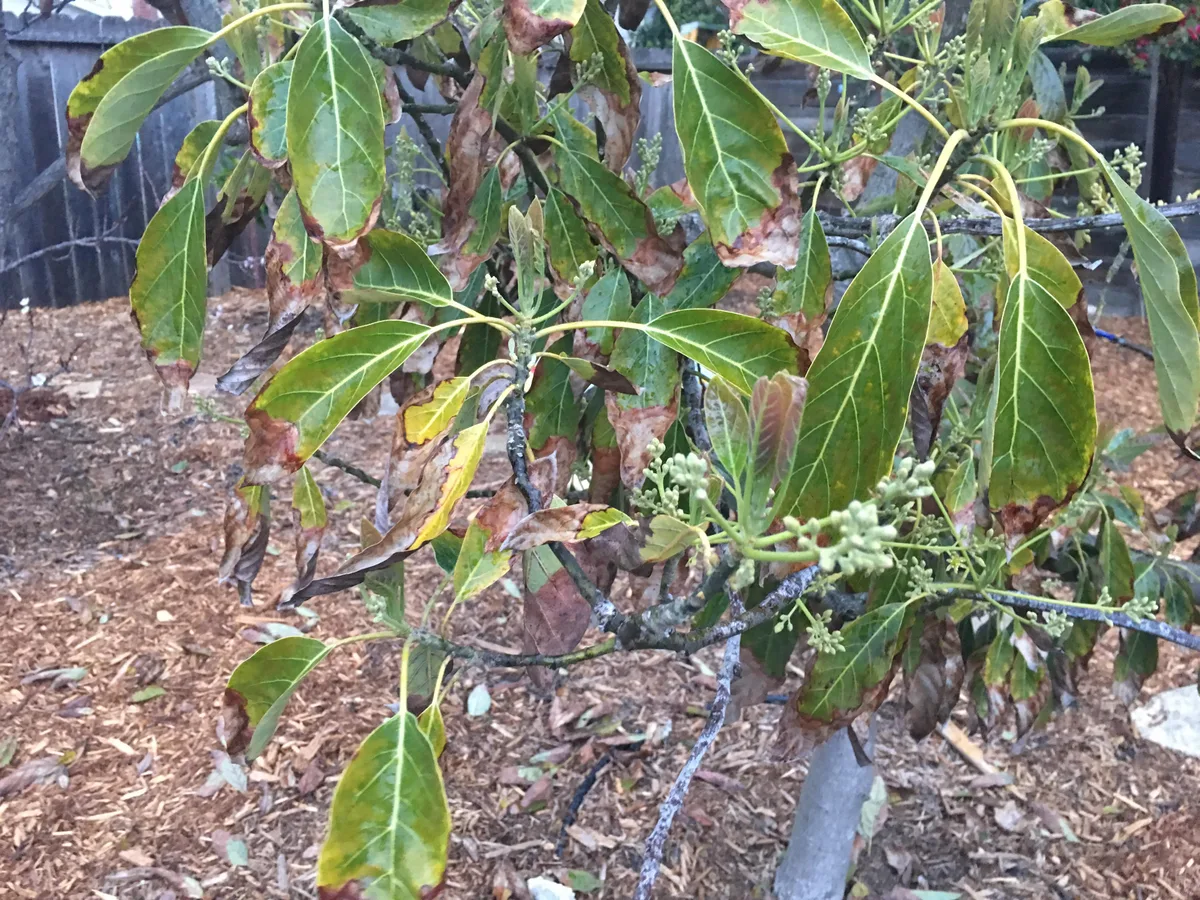
Image source: Bing (Web (fair-use with source credit))
Salt burn mimics drought but won’t improve with extra water. Sodium and chloride accumulate in leaf margins until cells die. This toxicity is especially common in arid regions or with well water.
University extension testing shows chloride above 100 mg/L triggers visible symptoms.
Do leaf margins show progressive browning?
Salt burn starts as yellow tips that turn brown and crispy over weeks. The damage moves inward from edges rather than appearing randomly. Unlike drought, burned tissue never recovers even after leaching.
New growth emerges healthy if soil salinity drops below toxic thresholds.
What does your water source contribute?
Municipal water often contains added sodium for softening or corrosion control. Well water in coastal areas frequently carries high chloride from seawater intrusion. Test your irrigation water annually for electrical conductivity and specific ions.
Values exceeding 0.75 dS/m require active leaching management.
Has fertilizer buildup occurred?
Synthetic fertilizers add salts that accumulate without adequate rainfall. Container trees are especially vulnerable since pots prevent natural flushing. White crust on soil surface or pot edges confirms dangerous accumulation.
Switch to low-salt organic options and flush monthly during growing season.
Leaching removes excess salts by applying 10% to 20% extra water beyond normal needs. This excess must drain freely or you create root rot while fixing salinity. Gypsum applications help displace sodium in clay soils.
Recovery takes months as new growth replaces damaged foliage gradually.
Branch 3: Spotting Mite Damage and Pest Pressure
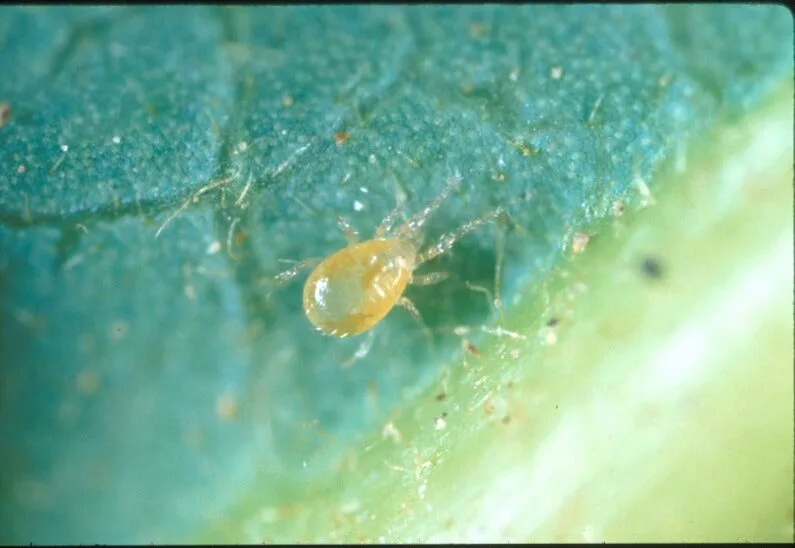
Image source: Bing (Web (fair-use with source credit))
Mites cause curling through direct feeding damage rather than physiological stress. Persea mites and avocado brown mites are the primary culprits. They cluster along midribs and veins on leaf undersides.
Damage appears as stippling or bronzing rather than uniform discoloration.
Can you see webbing or colonies?
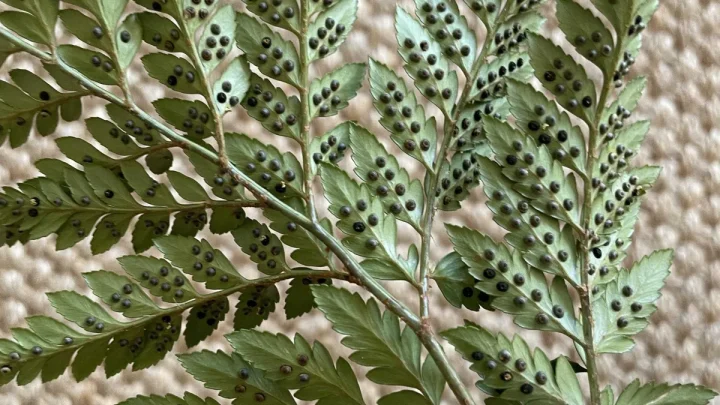
Persea mites build dense silk nests along main veins underneath leaves. Brown mites lack webbing but create distinctive angular brown patches. Use a hand lens to confirm presence since adults are tiny.
Absence of visible pests doesn’t rule them out during cool periods.
Does damage correlate with weather patterns?
Mite populations explode during hot dry spells when predators struggle. Dusty conditions favor outbreaks by disrupting beneficial insect activity. Rainfall naturally suppresses numbers by washing mites off foliage.
Indoor trees face year-round risk due to stable temperatures and low humidity.
Are natural enemies present?
Predatory mites and lacewings provide free biological control outdoors. Avoid broad-spectrum insecticides that kill these beneficial species. Sticky traps monitor thrips which also distort new growth.
Maintaining habitat diversity reduces reliance on chemical interventions significantly.
Treatment timing matters more than product selection for mites. Apply miticides during cooler evening hours to avoid phytotoxicity. Rotate IRAC groups to prevent resistance development.
Cultural controls like overhead misting often suffice for light infestations indoors.
Corrective Action Plan: Leaching, Treatment, and Recovery Timelines
Recovery depends entirely on accurate diagnosis from previous steps. Each cause requires a specific intervention protocol. Mixing treatments wastes time and stresses already weakened trees.
Follow these targeted actions based on your confirmed diagnosis.
How do you leach salts safely?
Apply enough water to move 15% of total volume past the root zone. Split applications over several days to avoid oxygen depletion. Monitor drainage output EC to track progress objectively.
Stop leaching once readings drop below 1.5 dS/m consistently.
What irrigation adjustments fix water stress?
Increase frequency rather than volume for drought-stressed trees. Install drip emitters spaced closely to wet entire root ball evenly. Mulch heavily to reduce evaporation between watering cycles.
Reduce frequency immediately if root rot signs appeared during diagnosis.
When should you treat for mites?
Threshold-based spraying prevents unnecessary chemical exposure. Treat only when counts exceed five motile mites per leaf average. Target undersides thoroughly where colonies hide and feed.
Reapply according to label intervals until populations collapse completely.
| Diagnosis | Primary Action | Recovery Timeline | Success Indicator |
|---|---|---|---|
| Salt burn | Leach + gypsum | 3 to 6 months | Healthy new flush |
| Drought stress | Increase frequency | 2 to 4 weeks | Turgor restored |
| Root rot | Reduce water + aerate | 2 to 6 months | New root growth |
| Mite infestation | Miticide rotation | 4 to 8 weeks | No new stippling |
Patience is critical during recovery phases. Damaged leaves won’t repair themselves regardless of treatment success. Judge effectiveness only by new growth quality and rate.
Premature retreatment often resets progress or creates secondary problems.
Common Misdiagnoses That Kill Avocado Trees
Why does treating salt burn as drought fail?
Extra water concentrates salts when drainage is poor or insufficient. You push toxic ions deeper into the root zone instead of flushing them out. Leaves continue burning despite constant wet soil conditions.
This mistake accounts for most container avocado losses in our research.
Can nutrient deficiency look identical to pest damage?
Zinc and iron deficiencies cause interveinal chlorosis that mimics mite stippling. Spraying miticides on nutritional problems wastes money and delays correction. Soil pH testing distinguishes these issues before treatment begins.
Values outside 6.0 to 7.0 lock up micronutrients regardless of fertilizer application.
Does wind damage confuse the diagnosis?
Mechanical abrasion from wind creates irregular browning patterns unlike biological stress. Growers often apply fungicides thinking it’s disease when it’s physical injury. Windbreaks solve this problem without any chemical intervention needed.
Check exposure history before assuming pathological causes for edge damage.
When is curling actually normal adaptation?
Young trees sometimes curl leaves temporarily during transplant shock or heat spikes. This self-protective response resolves within days without intervention. Treating adaptive responses as disease stresses already vulnerable plants unnecessarily.
Monitor for improvement over forty-eight hours before acting decisively.
Misdiagnosis compounds stress rather than relieving it. Always confirm your hypothesis with measurable data before treating. The decision tree framework prevents costly assumptions that kill trees.
Patience during observation phases saves more avocados than quick fixes ever will.
Frequently Asked Questions About Avocado Leaf Curl
How long does recovery take after correcting salt burn?
Recovery typically requires three to six months depending on severity. Damaged leaves never repair themselves so judge progress by new growth only. Consistent leaching must continue until soil tests confirm safe levels.
Premature cessation of management allows toxicity to return quickly.
Should I remove curled leaves immediately?
Leave damaged foliage unless it shows active disease or pest infestation. Remaining leaves still photosynthesize and support recovery energy demands. Pruning adds additional stress to already compromised trees.
Remove only completely necrotic tissue that harbors secondary pathogens.
Can indoor avocado leaf curl be fixed permanently?
Indoor environments require ongoing humidity and light management to prevent recurrence. Mites thrive year-round without seasonal predator population checks. Regular monitoring catches problems before visible damage accumulates significantly.
Success depends entirely on maintaining stable microclimate conditions consistently.
Does grafting onto tolerant rootstock prevent future curling?
Salt-tolerant rootstocks like Dusa reduce but don’t eliminate salinity sensitivity. They buy time and margin for error in marginal water quality situations. Proper irrigation management remains essential regardless of genetic tolerance.
Rootstock selection helps but doesn’t replace good cultural practices.
When should I call a professional diagnostician?
Seek expert help if symptoms persist despite correct treatment for eight weeks. Lab analysis identifies obscure pathogens or complex nutrient interactions. University extension services offer affordable testing for home growers.
Professional diagnosis pays for itself by preventing repeated failed treatments.

Similar Posts