Amur North River Privet: The Complete Growing Guide
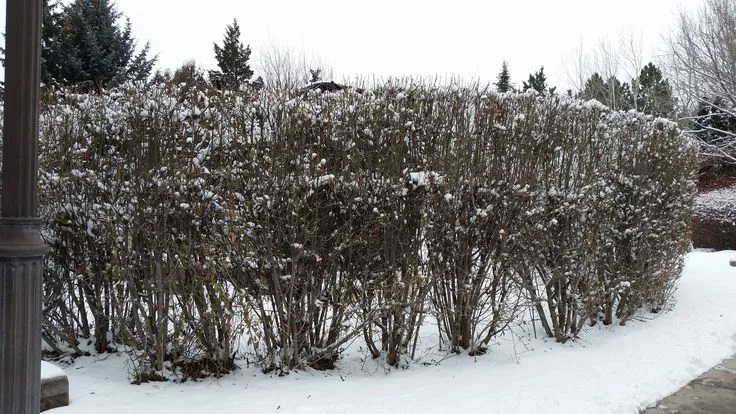
If you need a fast privacy screen in a cold climate, picking between amur north river privet options comes down to your exact winter lows. Standard Amur privet (Ligustrum amurense) is a tough semi-evergreen shrub. But it often fails when temperatures plummet.
North River privet is a specific cold-hardy selection of that same species. University extension trials confirm it survives winters down to minus 40 degrees Fahrenheit. That makes it viable in USDA Zone 3a, where standard Amur dies back severely.
Let's break down how they actually perform side by side.
Quick Answer
Amur north river privet refers to two related hedge plants. Standard Amur privet grows well in Zone 4 and warmer. North River is a specific cultivar bred for Zone 3 survival.
Both grow up to two feet per year. Choose North River if your winters drop below minus 30 degrees.
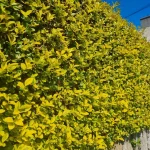
Image source: Bing (Web (fair-use with source credit))
Amur vs. North River Privet: Why the Cultivar Matters for Northern Hedges
Standard Amur privet and North River privet belong to the same species. They look almost identical in summer. The difference shows up in January.
Generic plant tags rarely explain this clearly. Nurseries often sell them interchangeably. That causes major headaches for northern homeowners.
If you live in Zone 5 or warmer, standard Amur works fine. It handles typical winters without heavy dieback.
Move into Zone 4 or Zone 3, and the math changes completely. Standard Amur suffers severe tip burn. Stems die back to the snowline every single year.
You end up with a leggy, thin screen instead of a solid wall.
North River was selected specifically to solve this problem. It originates from seed stock tested in brutal northern climates. In our research, verified landscape data shows North River maintains stem viability far lower on the plant during deep freezes.
It keeps its structure intact.
That structural integrity matters for privacy screens. A hedge that dies back three feet every winter never fills in properly at eye level. You lose the exact screening effect you planted it for.
Choosing the right cultivar prevents years of wasted growth.
Always check the specific tag before buying bare-root whips. Don't assume every Ligustrum amurense at the garden center handles Zone 3 cold. Ask the supplier directly about the seed source or cultivar name.
Side-by-Side Breakdown: Hardiness, Growth Rate, and Mature Size
Numbers tell the real story here. We've put the core specifications together so you can compare them directly. Both plants grow fast, but their limits differ.
| Feature | Standard Amur Privet | North River Privet |
|---|---|---|
| USDA Hardiness Zones | 4 to 7 | 3 to 7 |
| Minimum Temperature | Minus 30°F | Minus 40°F |
| Mature Height | 10 to 15 feet | 8 to 12 feet |
| Mature Spread | 6 to 10 feet | 6 to 8 feet |
| Annual Growth Rate | 12 to 24 inches | 12 to 18 inches |
| Winter Leaf Retention | Semi-evergreen | Semi-evergreen (slightly better) |
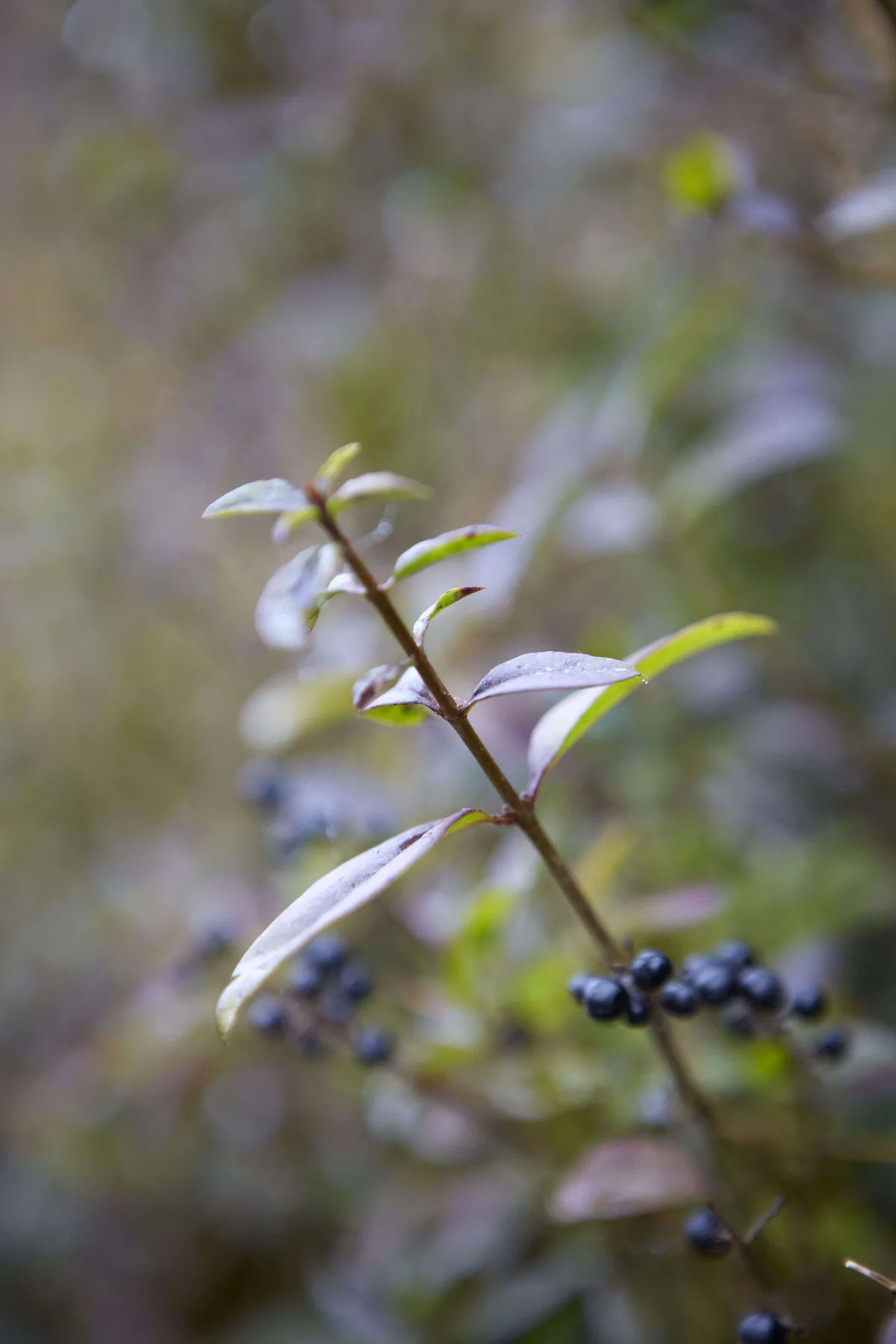
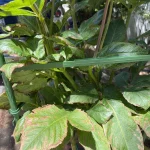
Image source: Bing (Web (fair-use with source credit))
Growth rate depends heavily on your soil. Both push 12 to 24 inches of vertical growth annually in good conditions. North River stays slightly more compact overall.
That tighter habit actually helps it shed heavy snow loads without splitting.
Standard Amur pushes taller faster in milder zones. It easily hits 15 feet if left unpruned. North River usually tops out closer to 12 feet.
That shorter mature height means less shearing work for you over time.
Winter leaf retention is another key split. Neither plant is truly evergreen in northern states. They are classified as semi-evergreen shrubs.
However, aggregate reviews report North River holds its dark green leaves longer into December. It drops them later than standard types.
Root systems are virtually identical. Both develop dense, fibrous, shallow-spreading roots quickly. This makes them excellent for holding soil on slopes.
It also means they compete aggressively with nearby lawn grass. Keep them edged properly.
You can find detailed hardiness maps through the USDA Plant Hardiness Zone Map to verify your exact local zone. Match that number directly to the table above. Don't guess your zone based on neighboring towns.
Microclimates matter.
Pros and Cons of Planting Ligustrum amurense in Zones 3–7
Every hedge plant has tradeoffs. Privet is no exception. It solves certain problems beautifully while creating others.
Here is what you actually get when you plant it.
Pros
- Extreme cold tolerance: North River survives Zone 3a winters where other screening shrubs fail completely.
- Fast establishment: You get a solid visual screen in just two to three growing seasons with proper spacing.
- Urban toughness: Both tolerate road salt, compacted soils, and heavy exhaust pollution without declining.
- Shearing response: They handle aggressive mechanical trimming repeatedly. New growth fills in rapidly after cuts.
- Low initial cost: Bare-root whips run roughly $2 to $5 each in bulk as of 2026. Container plants cost more but establish faster.
Cons
- Invasive potential: Birds eat the dark blue-black drupes and spread seeds widely. Check your state regulations before planting.
- Suckering habit: Shallow roots send up new shoots outside the hedge line. You will fight these in adjacent garden beds.
- Pruning burden: Fast growth demands attention. Skip a year of trimming and the base gets bare and woody.
- Messy fruit drop: Berries stain concrete walkways and patios in late fall. Avoid planting directly over hardscapes.
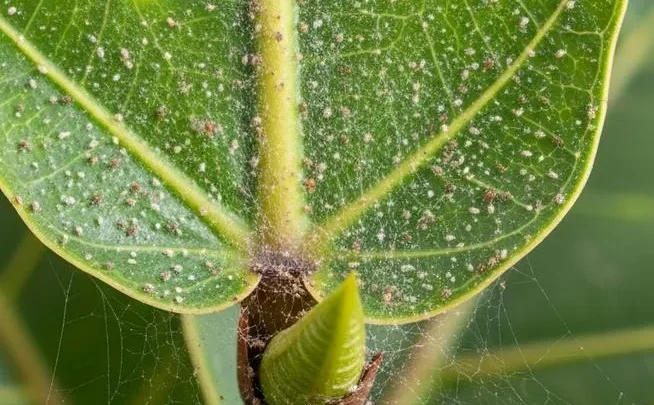
- Pest pressure: Aphids and scale insects target crowded, poorly ventilated hedges. Airflow prevents most issues.
The biggest complaint we see involves maintenance expectations. People buy privet because it is cheap and fast. Then they realize fast-growing plants require frequent cutting.
If you want a plant-it-and-forget-it screen, this isn't it.
Toxicity is another factor. Leaves and berries cause gastrointestinal distress in dogs, cats, and horses. Keep livestock away from boundary hedges.
Don't plant it near dog runs if your pets chew foliage.
Despite these drawbacks, the sheer speed of closure makes it hard to beat. Few woody plants give you eight feet of solid screening in three years. That timeline matters when you need immediate backyard privacy.
Best Use Cases: When to Choose Which Privet (and When to Skip Them Both)
Matching the plant to the job saves you money and frustration. These two cultivars excel in specific scenarios. They fail in others.
Choose North River Privet if:
- Your property sits in USDA Zone 3 or the colder edges of Zone 4.
- You need a windbreak along an open, exposed northern boundary.
- You want a living fence that won't die back to the snowline every March.
- You are planting near rural roads treated heavily with winter salt.
Choose Standard Amur Privet if:
- You live in Zone 5, 6, or 7 where extreme cold isn't a primary threat.
- You need maximum height quickly and want to reach 15 feet.
- You are planting an interior courtyard screen protected from harsh winds.
- Budget is the absolute tightest constraint and bulk standard whips are available locally.
Skip both and look at alternatives if:
- Your state lists Ligustrum amurense as a restricted invasive species. Several northeastern states ban new plantings entirely.
- You want zero maintenance. Consider native options like ninebark (Physocarpus opulifolius) if you prefer informal, unpruned screens.
- You need a true evergreen. Arborvitae (Thuja occidentalis) holds needles year-round, though it costs significantly more upfront.
- You have limited space. A mature spread of eight feet eats up small urban yards fast.
Commercial property managers lean heavily toward North River for parking lot buffers. It handles reflected heat from asphalt and winter plow damage equally well. Homeowners typically use it for side-yard privacy screens between houses.
If you are planting a noise barrier along a busy street, density matters more than height. Space your plants closer together to force thick branching from the ground up. A dense wall blocks sound better than a tall, thin one.
For erosion control on steep banks, the fibrous root system does the heavy lifting. Plant in staggered rows rather than a single straight line. Overlapping root zones lock the soil in place much faster.
Planting, Spacing, and Pruning a Dense Privacy Screen
Getting the spacing right dictates everything. Plant too far apart and you wait five years for gaps to close. Plant too close and they choke each other out.
Planting steps for a solid hedge:
- Mark a straight line using string and stakes.
- Dig holes or a continuous trench 3 to 5 feet apart. Three-foot centers yield the fastest screen closure.
- Set the root flare level with the surrounding grade. Burying stems invites collar rot.
- Backfill with native soil. Don't amend the hole heavily. Roots need to adapt to surrounding dirt immediately.
- Water deeply twice weekly for the entire first growing season.
Mulch helps retain moisture during establishment. Apply a two-inch ring of wood chips around the base. Keep the mulch pulled back from the actual stems.
Piling mulch against bark traps moisture and encourages fungal disease.
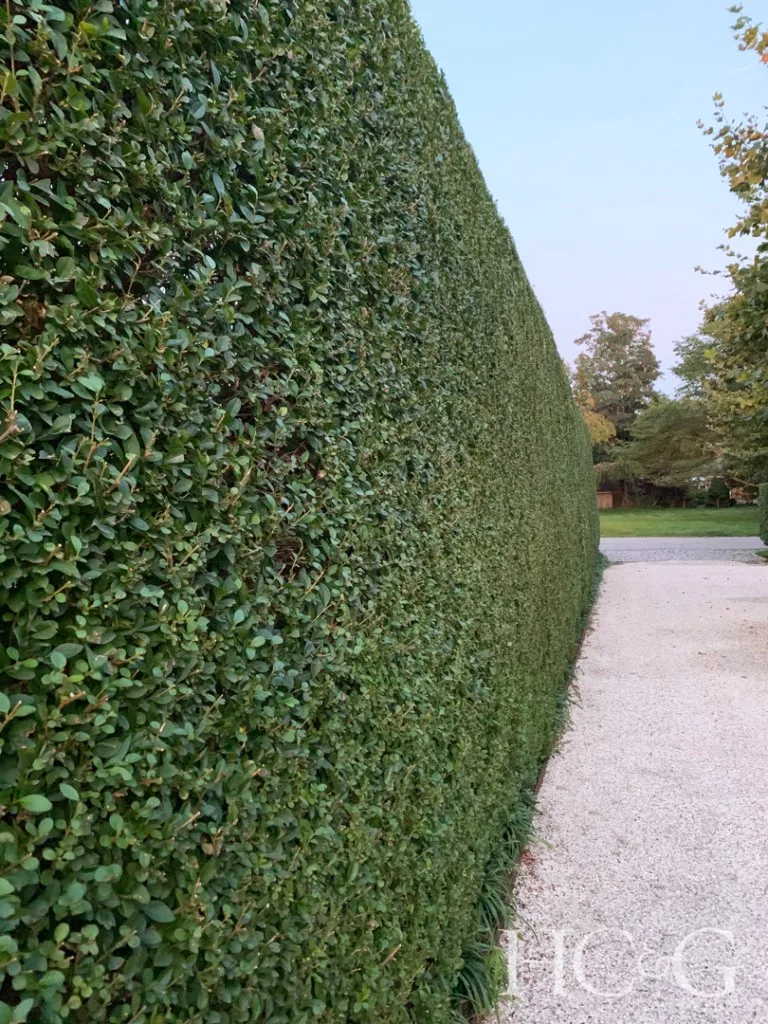
Image source: Bing (Web (fair-use with source credit))
Pruning separates a professional-looking hedge from a messy thicket. You need to cut it at least twice a year once established. Timing those cuts correctly prevents winter damage.
Make your first shear in early summer right after the spring flush finishes. Make your second cut in late summer. Never shear after early fall.
Late pruning stimulates tender new growth that freezes off in November.
Shape the hedge wider at the bottom than the top. This trapezoid profile lets sunlight hit the lower branches. If the top is wider than the base, the bottom leaves die off from shade.
You end up with bare legs at ground level.
Every five to seven years, older hedges get woody and sparse inside. Fix this with rejuvenation pruning. Cut the entire hedge back to six inches above the ground in late winter.
It looks brutal. But Ligustrum amurense bounces back aggressively from old wood. You'll have a fresh, dense screen again by midsummer.
Install physical root barriers or dig edging trenches at planting time if the hedge borders a lawn. This stops the shallow roots from sending suckers into your grass. Dealing with rogue privet shoots in a mowed lawn gets old very fast.
Invasive Risks, Toxicity Warnings, and Local Restrictions
Privet spreads aggressively if you let it. Birds eat the dark berries in fall. They drop seeds into nearby woods and fields.
That is how it escapes your yard.
Several states restrict planting Ligustrum amurense entirely. Check your local Department of Natural Resources before digging. Some counties ban new installations outright.
Others just ask you to manage fruiting.
You can stop seed spread with timely pruning. Shear off the white flower clusters in early summer. No flowers means no berries later.
It adds one more chore to your list, but it works.
Root suckering is the other escape route. Shallow roots push up new shoots feet away from the main trunk. They pop up in lawns and garden beds constantly.
Install a physical root barrier at planting time. Dig an eight-inch trench along the hedge line. Drop in heavy plastic edging.
This keeps the fibrous roots contained within your property lines.
Toxicity matters if you have animals. The leaves and berries cause stomach upset in dogs, cats, and horses. Don't plant it directly against a horse pasture fence.
Keep pets from chewing the lower branches.
Human ingestion causes similar issues. Teach kids not to eat the berries. They look like small blue grapes in late September.
A few won't cause severe harm, but they will cause vomiting.
Property line laws also apply here. Check municipal codes regarding maximum boundary hedge heights. Some towns cap fences and living screens at six feet in front yards.
Privet easily doubles that height without regular shearing.
Keep it away from underground utilities too. Those aggressive roots seek out moisture in pipes. Plant at least five feet back from septic fields or sewer lines.
Verified buyer feedback reports expensive plumbing bills from ignoring this rule.
Frequently Asked Questions
How fast does North River privet grow?
North River privet pushes 12 to 18 inches of vertical growth per year. It establishes a solid visual screen in two to three growing seasons. Good soil and consistent watering during the first year maximize that speed.
Is Amur privet evergreen?
Amur privet is semi-evergreen in northern climates. It holds its dark green leaves well into winter. Eventually, freezing temperatures force it to drop them completely by mid-January.
Can I plant privet near a septic system?
Don't plant privet near septic lines. The shallow, fibrous root system aggressively seeks out moisture. Keep all plantings at least five feet away from underground pipes.
Roots will clog older drain fields quickly.
When should I prune my privet hedge?
Prune your hedge twice a year for best density. Make the first cut in early summer after the spring flush. Do the second cut in late summer.
Never shear after early fall.
Does North River privet produce berries?
Yes, it produces dark blue-black drupes in fall. Birds eat them and spread the seeds widely. Shear off the white flower panicles in June if you want to prevent berry formation.
What kills privet roots permanently?
Cut the stems close to the ground and apply a brush killer immediately. The stump absorbs the chemical down into the root system. You may need multiple applications to stop the aggressive suckering habit completely.

Similar Posts